




You see automation and sustainability are leading new changes. Makers now build machines that use less energy. They also waste less water and fill bottles that break down. These changes help you work faster and make better products. The market for bottled water filling machines is growing fast. This is because more people want bottled water and smart technology is new. If you keep learning, you can pick machines that fit your business. You can also change fast when customers want something new.
Feature | Benefit |
|---|---|
Automation | Work gets done faster, fewer workers needed |
Sustainability | Good for the planet, follows rules |
Smart Sensors | Fills are exact, products are better |
Automation makes work faster and saves money on workers. Pick machines that do filling, capping, and labeling by themselves to work better.
Sustainability is very important. Get machines that use less water and energy to save money and help nature.
Being able to use many bottle sizes is important. Buy machines that can change to different bottles easily to fit what customers want.
Smart technology helps check quality. Use machines with good sensors and tracking to keep products safe and follow rules.
Predictive maintenance helps save money. Watch how machines work to stop problems before they happen and have less downtime.
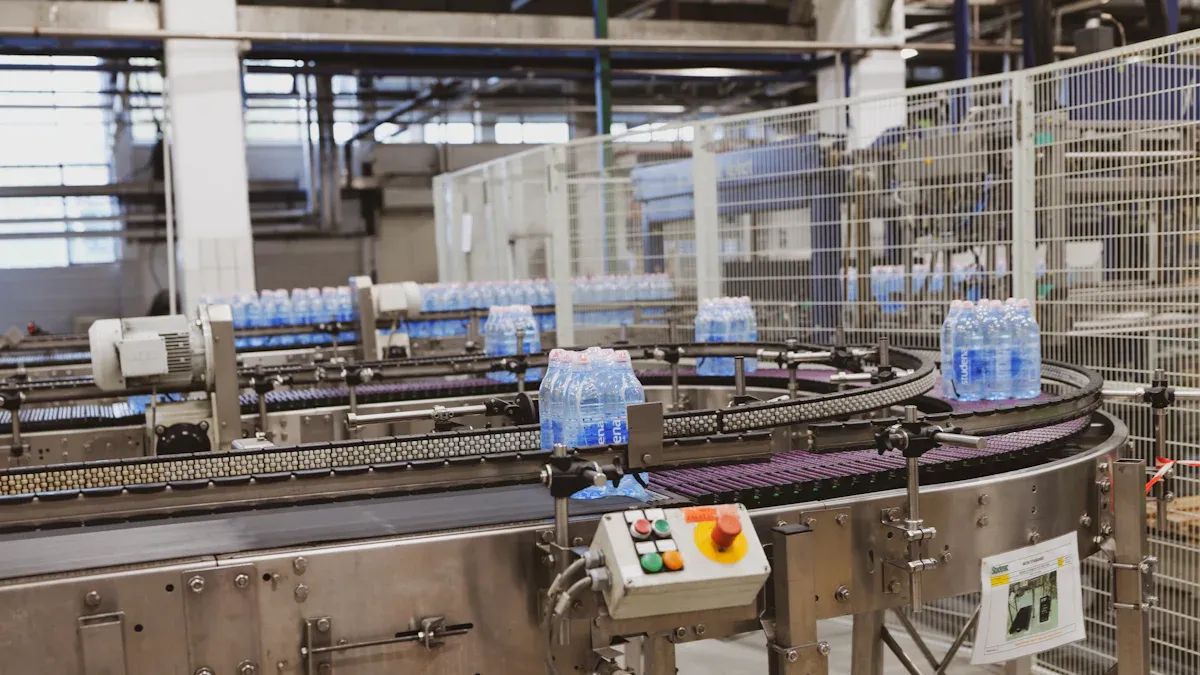
When you pick a bottled water filling machine, you should know the main types. Each type is good for different business sizes and needs. Some machines are best for small shops. Others work well in big factories. There are three main types to learn about.
Manual filling machines let you control every step. You put bottles in place by hand and fill them one at a time. These machines cost less and are good for small batches. They are great if you have a small bottled water business or want to try new products. Manual machines can fill bottles from 200ml up to 5 gallons. You can use PET, HDPE, or glass bottles. You must clean, fill, cap, and label each bottle yourself.
Tip: Manual filling is best if you want to save money and check quality closely.
Small businesses often use simple machines like Easy Fill. Easy Fill machines are made of stainless steel and use less energy. They are simple to use and easy to clean. You can change them to fit different bottle sizes.
Semi-automatic machines help you work faster. You still do some steps by hand, but the machine fills bottles quicker than manual ones. These machines are a good mix of price and speed. You can fill more bottles with less work. Semi-automatic machines are good for medium-sized bottled water businesses.
Some models are called 4in1 Semi Bottling machine or Pinch-25. These machines can wash, fill, and cap bottles in one go. You put bottles in and start the machine, then it does the rest. You can use PET, HDPE, or glass bottles. Most semi-automatic machines fill bottles from 200ml to 5 gallons.
Note: Semi-automatic machines help you spend less on workers and make more bottles without spending too much.
Automatic filling machines do almost all the work for you. You load bottles, and the machine washes, fills, caps, and labels them. These machines are very fast and need little help from people. You can make thousands of bottles every hour. Automatic machines are best for big factories and companies that need to make a lot of bottled water.
Here are some popular models:
Feature | Easy Fill | Monoblock |
|---|---|---|
Material | Stainless Steel | Stainless Steel |
Production Rate | Up to 1,000 bottles/hour | 2,000-2,500 bottles/hour |
Unique Features | Energy efficient, user-friendly design, NSF approved components | 3-in-1 process (washing, filling, capping), PLC control |
Monoblock machines do washing, filling, and capping in one unit. They are fast and give you good control. These machines use PLC touch screens, so they are easy to run. You can fill bottles from 200ml to 5 gallons. They work with PET, HDPE, and glass. Some, like Triton160, can label bottles too.
Automatic machines cost more, but they are more efficient and have less downtime. You can use these systems to run big bottled water production lines.
Most new bottled water filling machines do more than just fill bottles. You get:
Bottle cleaning machines to keep bottles clean.
Liquid filling machines for accurate water fills.
Capping machines to close bottles tight.
Labeling machines for many bottle shapes and sizes.
Multi-function machines like Monoblock and CGF24-24-8 help keep your products safe and clean. They also make production faster and lower your costs.
You can pick machines that fill bottles from 200ml to 5 gallons. Most machines work with PET, HDPE, and glass. You can set up your machine for different bottle shapes and sizes.
Here is a quick look at costs for different production sizes:
Scale of Production | Equipment Type | Cost Range (USD) |
|---|---|---|
Small | Small Bottle Water Bottling Machine | $11,000–$30,000 |
Medium | Medium-scale production line | $200,000–$500,000 |
Large | Large-scale production line | $1,000,000+ |
If you want a good balance between price and automation, semi-automatic lines can fill about 2,000 bottles per hour. These setups usually cost between $50,000 and $200,000.
Picking the right bottled water filling machine helps you reach your business goals. You can make your products cleaner, faster, and better by choosing the right model.
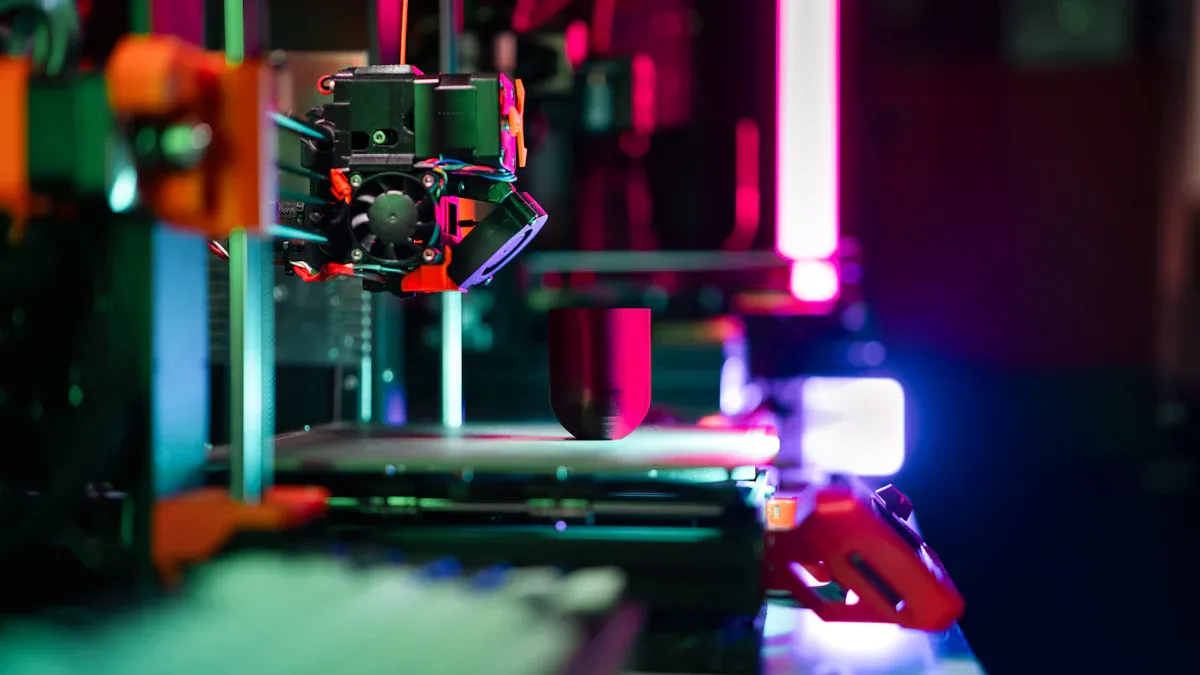
Automation and smart technology change how you run your bottled water filling line. These new tools help you work faster and waste less. They also help your machines last longer. You can notice these changes in every part of your work.
Advancement Type | Description |
|---|---|
AI-powered Smart Filling Systems | Learns and changes fill levels, so there is less downtime and waste |
Precision with Advanced Measurement | Uses mass flow meters for exact fills, which lowers the chance of recalls |
Energy-efficient and Eco-Friendly | Uses less power, sometimes solar, and helps with green goals |
Enhanced Cleaning and Sterilization | Cleans bottles with UV light and Clean-in-Place systems to keep them safe |
Seamless IoT Integration | Connects machines for real-time data and smoother production |
IoT lets you connect your machines and collect data all the time. Sensors watch how each part works. This helps you find problems before they slow you down. Operators see updates on screens or phones. If a machine shakes too much or air pressure drops, you get an alert fast. You can fix problems before they get worse.
IoT lets you watch your line from anywhere.
You can find and fix slow spots quickly.
Real-time data helps you save money and waste less.
A plant in California used AI to watch fill levels. They saw waste drop by 30%. This shows smart tech can really help.
Predictive maintenance uses data to tell you when to fix your machines. You do not have to wait for a breakdown. You plan repairs when it works best for you. This keeps your bottled water line running well.
Sensors look for signs of wear, like vibration or temperature changes.
The system warns you before a part breaks.
You avoid expensive downtime and keep products safe.
One company cut return rates in half with automated capping systems. This shows smart tech saves money and protects your brand.
Tip: Use predictive maintenance to keep your machines working and your business strong.
You can make your production line better by picking machines that save water and energy. New filling machines have smart features to use less and cost less. Many machines now run with better engine speeds and bigger hydraulic pumps. These changes can help you save up to 20% on your energy bills. Some machines use closed-loop cooling or air-cooled systems. These features help you use less water when filling bottles.
Here is a table that shows the best water and energy-saving features:
Feature | Description |
|---|---|
Energy Efficiency | Uses less power and water than old machines. |
Precision Filling | Fills bottles with the right amount, so less is wasted. |
High-Speed Operation | Can fill from 2,000 to over 36,000 bottles every hour. |
Hygiene Assurance | CIP system keeps bottles safe and follows food safety rules. |
Flexibility | Works with many bottle types and changes fast. |
Advanced Control | PLC touchscreen lets you watch in real time. |
Durability | Stainless steel parts last longer. |
You also help the earth by using machines that cut down on plastic waste. For example, one system can keep about 14,400 single-use 20-ounce plastic bottles out of the trash each year.
Tip: Pick machines with real-time monitoring. You can find leaks or waste fast and fix them before they get worse.
You can help the planet by using eco-friendly materials in your filling machines. Many new machines work with reusable containers like glass and stainless steel. These materials last longer and do not add more plastic waste. Machines made for energy efficiency also use less power when bottling. This helps lower your carbon footprint.
Reusable containers mean you use fewer single-use plastics.
Stainless steel and glass are easy to clean and recycle.
Energy-efficient machines use less electricity and water.
By making these choices, you help the environment and follow new green rules. Your bottled water business becomes more responsible and ready for the future.
You need machines that work with many bottle sizes. This helps you keep up with what customers want. Flexible filling machines let you use small and big bottles easily. You can fill, cap, and label all kinds of bottles on one line.
Flexible filling machines fit many bottle shapes and sizes. You do not have to buy a new machine for each product.
The CGF water filling machine works with many bottle types. You can change the valve to fill different drinks.
Old packaging lines have trouble with new products or order sizes. This can cost more money and cause more downtime.
Flexible, semi-integrated automated systems save time and money. They help your business grow and make more profit.
When you use flexible machines, you can react fast to new trends. You do not waste time or money when you switch products.
Quick changeover systems let you switch bottle sizes fast. You do not need special tools or lots of training. This means you can fill many bottle types every day.
The main things that help you succeed are flexibility and quick changeovers. Because equipment keeps getting better, you can fill many drinks. There is no waste when you change formats, and you can do it automatically or with an HMI.
Digital tools help you do more changeovers and stop less often. Automated machines also lower labor costs, which matters as wages go up and working faster is important.
New machines let you change formats quickly. Some systems let you switch from big bottles to small ones in five minutes. Companies that buy flexible machines can cut change costs by up to 75% compared to old lines.
Flexible filling helps you do well in the bottled water market. You can keep up with new products and customer needs without slowing down.
Quality control helps keep bottled water safe. It makes sure people trust your product. You need good systems to stop germs. Every bottle must meet high standards. New machines use smart technology to help you do this.
Modern filling machines have many smart features. They keep bottles clean and safe. Modular designs combine washing, filling, and capping. Sealed hoods and special air filters protect the filling area. Strong fans move clean air through the machine. Non-contact valves stop germs from spreading. Automated cleaning systems make cleaning fast and easy. Wet sterilization with peracetic acid kills almost all germs. Ultraviolet sterilizers and ozone generators clean water without chemicals.
Technology/Feature | Description |
|---|---|
Modular Design | Puts many jobs into one easy system. |
Sealed Isolator Hood | Keeps the filling area clean and safe. |
Sterile Air Filtration System | Stops dirt and germs from getting in. |
Non-Contact Filling Valve | Stops germs from spreading during filling. |
Automatic CIP System | Cleans inside the machine quickly and easily. |
Wet Sterilization with Peracetic Acid | Kills almost all germs in bottles, caps, and valves. |
Ultraviolet Water Sterilizers | Cleans water without using chemicals. |
Tip: Pick machines with sealed hoods and clean air systems. This lowers the chance of germs and keeps water safe.
Inline inspection checks every bottle as it moves. Sensors and cameras look for problems fast. You can find wrong fill levels or missing labels. You also spot things that should not be in bottles. Automated inspection helps you avoid recalls. It keeps your brand strong.
Function | Description |
|---|---|
Contaminant Detection | Stops bad things like metal or glass from getting in bottles. |
Fill Level Verification | Makes sure bottles have the right amount of water. |
Label Quality Verification | Checks labels so they are correct and clear. |
Completeness Checks | Makes sure bottles are weighed, labeled, and packed right. |
Automation of Inspection | Uses machines to check bottles faster and better. |
Bottled water makers face many challenges with new quality control tools. You must follow strict rules and keep high standards. You need strong programs to check everything. You must check your water, supplies, machines, and cleaning often.
Using advanced cleaning and inspection systems makes water safer. You waste less and protect your business. Customers trust your bottled water more. You avoid costly mistakes.
You have to follow strict rules when making bottled water. These rules keep people safe and help you avoid trouble with the law. New filling machines help you follow these rules. They also let you track every bottle you make.
Different countries have their own rules for bottled water. You need to learn these standards if you want to sell in many places. Modern machines help you follow these rules. They make sure each bottle is safe and labeled right.
Here is a table that lists some main global standards:
Standard/Body | Key Requirements |
|---|---|
World Health Organization (WHO) | Rules for water quality, limits for bacteria, chemicals, and heavy metals. |
U.S. Food and Drug Administration (FDA) | Bottled water is treated as food, with strict rules for where water comes from and how it is bottled. |
European Union (EU) | Laws like 98/83/EC focus on clean water and correct labels. |
Codex Alimentarius | Sets worldwide rules for food safety, including bottled water. |
You should check these rules often. Machines with smart controls help you keep up with new changes. This keeps your business safe and your customers healthy.
Traceability helps keep bottled water safe and builds trust. You need to know where each bottle starts and where it ends up. Modern machines use tracking features to help you do this. These features help you find problems and fix them quickly.
Here is a table that shows how tracking features help with compliance:
Evidence Point | Description |
|---|---|
Regulatory Standards | Following rules like FSMA means you need to track every step in bottling. |
Tracking Methods | Using QR codes or barcodes helps you follow each bottle from start to finish. |
Cost Efficiency | Coding systems can lower recall costs and make audits easier. |
You can use QR codes or barcodes to track every bottle. If something goes wrong, you can find the problem fast. This saves money and keeps your brand safe. Good tracking also makes audits simple and helps you show your water meets all rules.
Tip: Pick machines with tracking and reporting tools built in. This helps you get ready for any inspection.
You get lots of good things by using new bottled water filling machines. These machines help you spend less money and work faster. They also help you follow safety rules. Here are the main benefits:
Benefit | Description |
|---|---|
Reduced Operational Costs | You need fewer workers and make fewer mistakes. This saves money and cuts down on waste. |
Scalable Production Capacity | You can make more or less bottled water as needed. These machines work for small and big businesses. |
Automation helps you check quality better.
Smart machines use less energy and help you do more work.
Flexible machines work with many bottle sizes and shapes.
Check your machines often. Old machines can make it hard to keep enough supplies and fix problems. Getting new machines helps you work better and get ready for new needs.
You can fill bottles from 200ml up to 5 gallons. Most machines let you switch sizes quickly. You can use PET, HDPE, or glass bottles.
Automation speeds up production. You need fewer workers. Machines fill, cap, and label bottles with high accuracy. You get more bottles in less time.
Yes. Many machines work with reusable glass and recyclable plastics. You help the planet by choosing bottles that break down or can be reused.
Modern machines use sealed hoods, clean air systems, and automated cleaning. Sensors check bottles for germs and dirt. You protect your customers and your brand.
You can use QR codes or barcodes to track each bottle. Machines record every step. You find problems fast and show proof during audits.


+86-512-58530618

Wukesong Road, Sanxing Town, Zhangjiagang City, Jiangsu Province, China


