


Two filling-line quotations can show the same bottle speed and still cover different equipment, interfaces, tests and buyer responsibilities. One may include container feeding, capping and conveyors; another may stop at the filler frame. If those differences remain hidden until contract review, the lowest quotation can become the most difficult project to complete.
An international buyer should evaluate a filling machine manufacturer before comparing prices. The supplier should be able to connect the proposed equipment to the product, container, factory and acceptance plan. Clear answers also reveal which facts are confirmed and which remain assumptions.
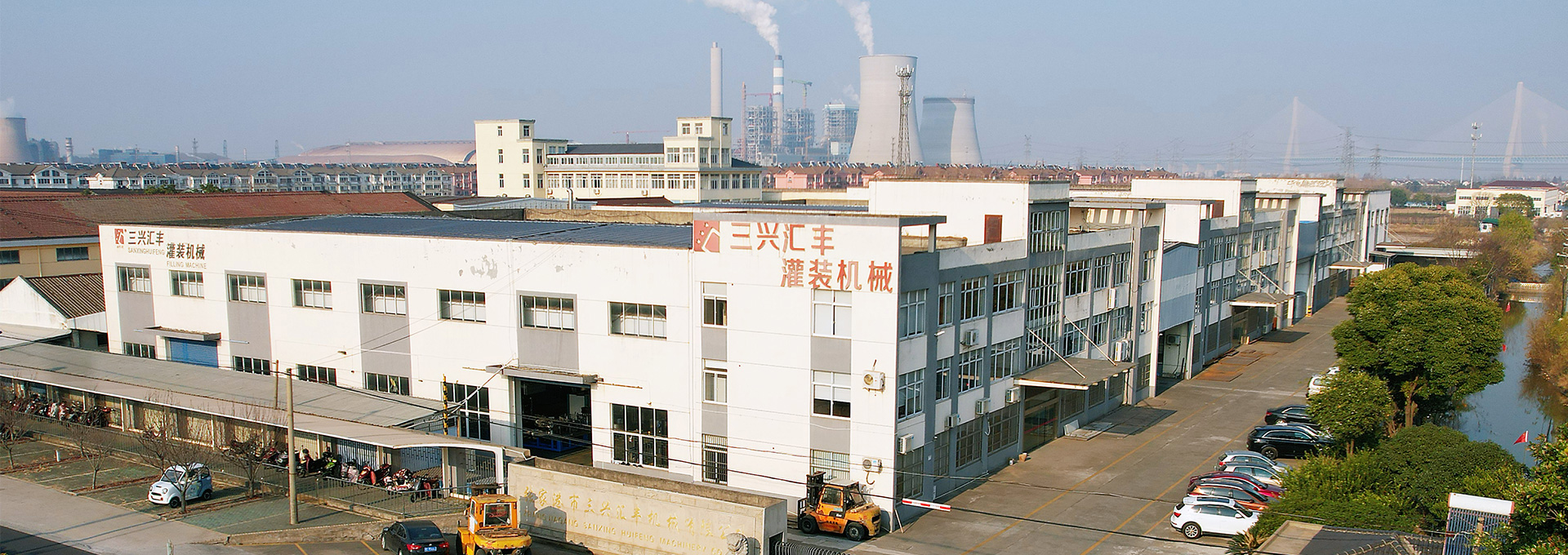
A factory review should connect manufacturing capability to the equipment and project scope being quoted.
Ask the supplier to list every included beverage, filling condition, container and closure. “Suitable for drinks” is not a technical answer. Still water, carbonated beverages and hot-filled juice can require different pressure, temperature, circulation and hygiene conditions.
For each SKU, provide the product condition at the filler, container drawing, neck finish, cap or can-end specification, fill volume and required output. A useful response identifies which SKUs share one configuration, which require change parts, and which need a different process or machine.
Risk signal: The supplier recommends a model before requesting product and package details.
A supplier may manufacture the filler while integrating blow molding, labeling, inspection or packaging equipment from other sources. This can be workable, but responsibility must be visible. Ask for the manufacturer of each major machine and identify who owns layout design, software coordination, line testing and site commissioning.
Review relevant filling machine projects for evidence of applications similar to the proposed product and package. Project photos alone are not proof of scope; request a description of the supplied boundary and the interfaces managed by the vendor.
Risk signal: Every component is described as “our equipment,” but the proposal does not identify third-party machines or interface responsibility.
The supplier should explain how product behavior leads to the recommended filling method. Relevant inputs include carbonation, viscosity, foam, particles, temperature, headspace, oxygen sensitivity and cleaning requirements. Container stiffness and opening size also affect the decision.
A qualified liquid filling machine manufacturer should state the required product condition at the machine inlet and identify any product trial needed before final selection. The answer should be specific to the project rather than a list of every technology in the catalogue.
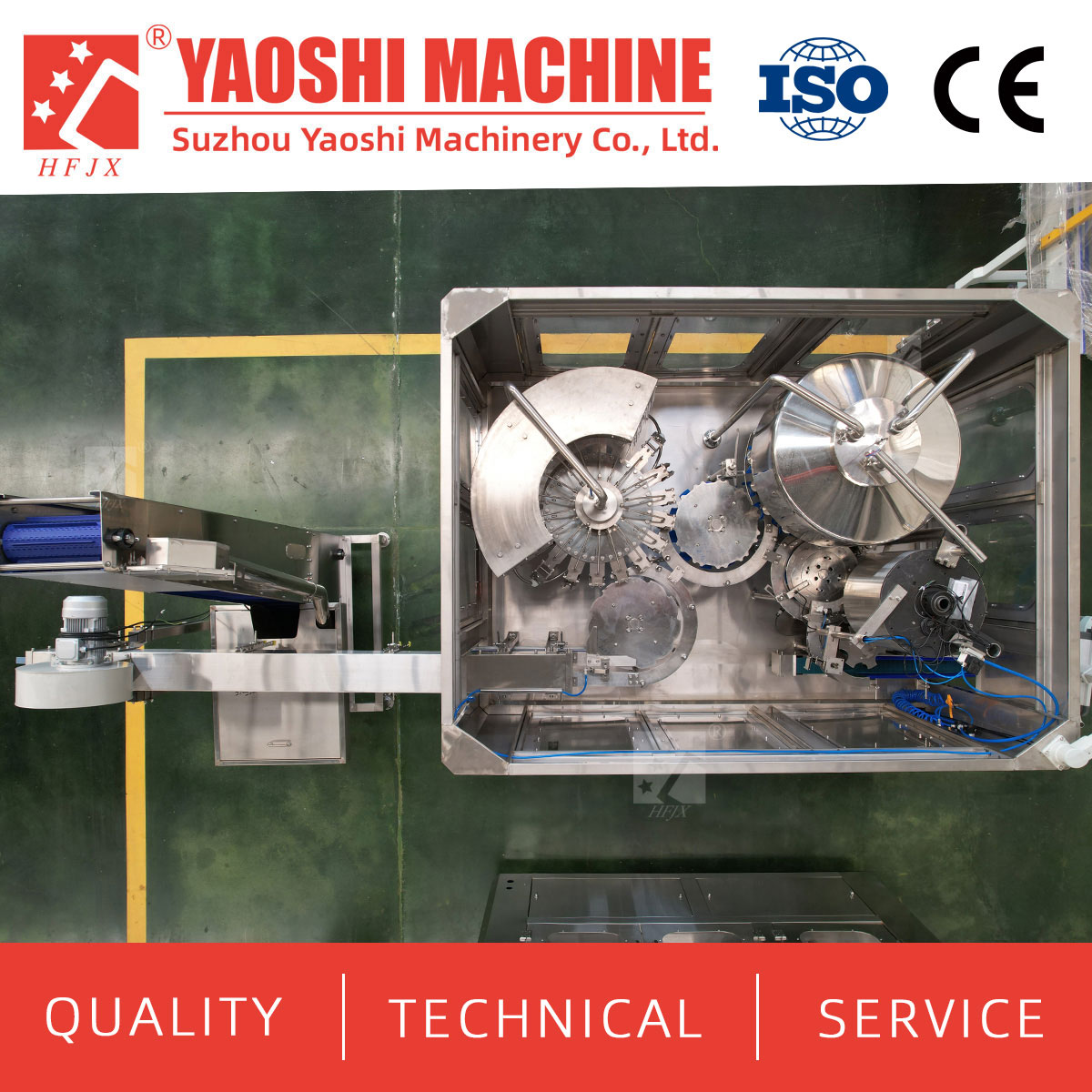
The proposed filler should be reviewed with the approved container, closure and connected production process.
Risk signal: The filling method is justified only by speed or by the beverage name.
Capacity should be tied to an identified beverage, container size and operating condition. Ask whether the number is a nominal machine rate, a demonstrated factory-test rate or the expected stable output of the connected line.
For multi-SKU production, request a capacity basis for each important format. Include expected changeovers, cleaning and normal material replenishment when planning finished output. The fastest filler does not determine saleable production if the capper or packer operates below that rate.
Risk signal: The quotation lists one BPH value without naming the bottle size, product or test condition.
Ask for an equipment list divided into included, optional, excluded and buyer-supplied items. For a complete beverage production line, the boundary may involve water treatment or beverage processing, container making or feeding, rinsing, filling, closing, conveying, inspection, labeling, coding, packing and palletizing.
The proposal should also identify interconnecting pipework, platforms, guards, cables, control panels, utilities, consumables and installation materials. A drawing is useful, but the written scope controls the commercial comparison.
Risk signal: The offer says “complete line” without an equipment list and exclusions.
New lines require coordination between connected machines. Replacement projects add existing conveyor elevations, directions, product connections, controls, emergency circuits and available floor space. Create an interface register with one responsible party for every connection.
Ask who provides container-transfer drawings, signal lists, network architecture, line-control logic and the final integrated test. If equipment comes from several vendors, define which supplier can change settings or software when the line does not perform as planned.
Risk signal: Interface problems are described as site matters without an owner or acceptance method.
Request the change sequence for each product, bottle and closure. Separate recipe changes from mechanical adjustments, product-contact cleaning and replacement parts. Ask which tools, lifting aids and verification checks are required before restarting production.
Cleaning parameters must come from the product, process and plant sanitation plan. Confirm the cleaning boundary, drainability, removable parts, connections to existing CIP equipment and responsibility for recipe approval or validation.
Risk signal: The supplier promises “quick changeover” or “automatic cleaning” without describing the steps and project conditions.
Factory acceptance testing should have a written protocol. Identify the product or approved substitute, containers, closures, packaging materials, run duration, speed condition, sample size, quality checks and pass criteria. State who supplies test materials and what happens if a result is outside the agreed limit.
Site acceptance should address installation, utilities and connected-line operation. Separate equipment completion from process validation where the buyer retains responsibility for the beverage formula, sanitation program or local approval.
Risk signal: FAT means only switching on the machine before shipment.
Request a document register with format, language and delivery stage. Depending on the project, it may cover approved layouts, utility requirements, process and instrumentation information, electrical drawings, signal lists, operating manuals, maintenance instructions, change-part lists, recommended spare parts and test records.
Ask whether control-program backups, recipe backups and access arrangements are included. Certificates should be requested only when relevant to the machine and destination; a general certificate does not replace the buyer’s project-specific compliance review.
Risk signal: “Standard documentation” appears in the offer without a document list.
Clarify whether the supplier provides supervision, hands-on installation, commissioning, production support or remote guidance. Record travel, visas, local transport, accommodation, translation, working hours, lifting equipment, local labor and site-preparation responsibilities.
Training should name the audience and topics. Operators may need startup, recipes, changeovers and fault recovery; maintenance staff may need inspection, calibration, lubrication and replacement procedures. Define the training language and the documents used.

Project delivery requires coordination between engineering, manufacturing, commissioning and the buyer’s operating team.
Risk signal: Installation and training are described as included, but commercial and site responsibilities are absent.
Ask for a project-specific spare-parts list divided into commissioning spares, normal wear items and recommended stock. Each item should have a part reference and quantity. Confirm the process for ordering replacements after the initial package is used.
Review the written warranty coverage, exclusions, start date and claim procedure. Technical support terms should state contact channels, information required for diagnosis, remote-access conditions and the commercial basis for site visits. Do not replace these details with an unsupported response-time promise.
Risk signal: The supplier promises lifetime support without explaining parts availability, escalation or service charges.
A serious supplier should identify missing information instead of hiding it inside a fixed price. Ask for an assumptions and exclusions list. Each open item should show who will confirm it, when it is due, and whether it can change configuration, price or schedule.
Before requesting comparable bids, prepare:
Product type and condition at filling
Container and closure drawings with samples where practical
Output target for each important SKU
Cleaning and product-change requirements
Label and secondary-packaging formats
Existing equipment and required interfaces
Factory layout and available utilities
Destination, schedule and requested commercial terms
Required documents, tests and local compliance inputs
Risk signal: The quotation appears final even though the supplier has not received basic product, package or factory data.
| Comparison field | What to record |
|---|---|
| Application | Included products, containers, closures and stated exceptions |
| Technical route | Filling method, automation level and reasons for selection |
| Capacity | Product, container and acceptance condition behind each output |
| Scope | Included, optional, excluded and buyer-supplied equipment |
| Interfaces | Mechanical, process, electrical and control responsibilities |
| Testing | FAT and SAT materials, method, duration and pass criteria |
| Deliverables | Drawings, manuals, software, training and spare parts |
| Commercial basis | Open assumptions, schedule, payment milestones and service terms |
Do not score an unanswered item as compliant. Mark it as open and request a written clarification. When a response changes scope or price, require the supplier to revise the proposal rather than relying on a separate message.
Yaos Machinery’s website presents filling machines and beverage-line solutions for several product and package categories. Buyers should still evaluate the proposed configuration against their own product, container, output and destination requirements.
Send the same project brief used for other shortlisted suppliers. Request a written equipment list, interface boundary, test basis, document register and assumptions list. This allows Yaos to be compared as a beverage filling machine manufacturer on the same technical and commercial basis as every other bidder.
Send the product matrix, container and closure files, output by SKU, cleaning needs, factory layout, existing-equipment details and requested acceptance conditions through the contact page. Ask the supplier to return a configuration, scope boundary, utility list, layout basis and open-point register with the quotation.


+86-512-58530618

Wukesong Road, Sanxing Town, Zhangjiagang City, Jiangsu Province, China


