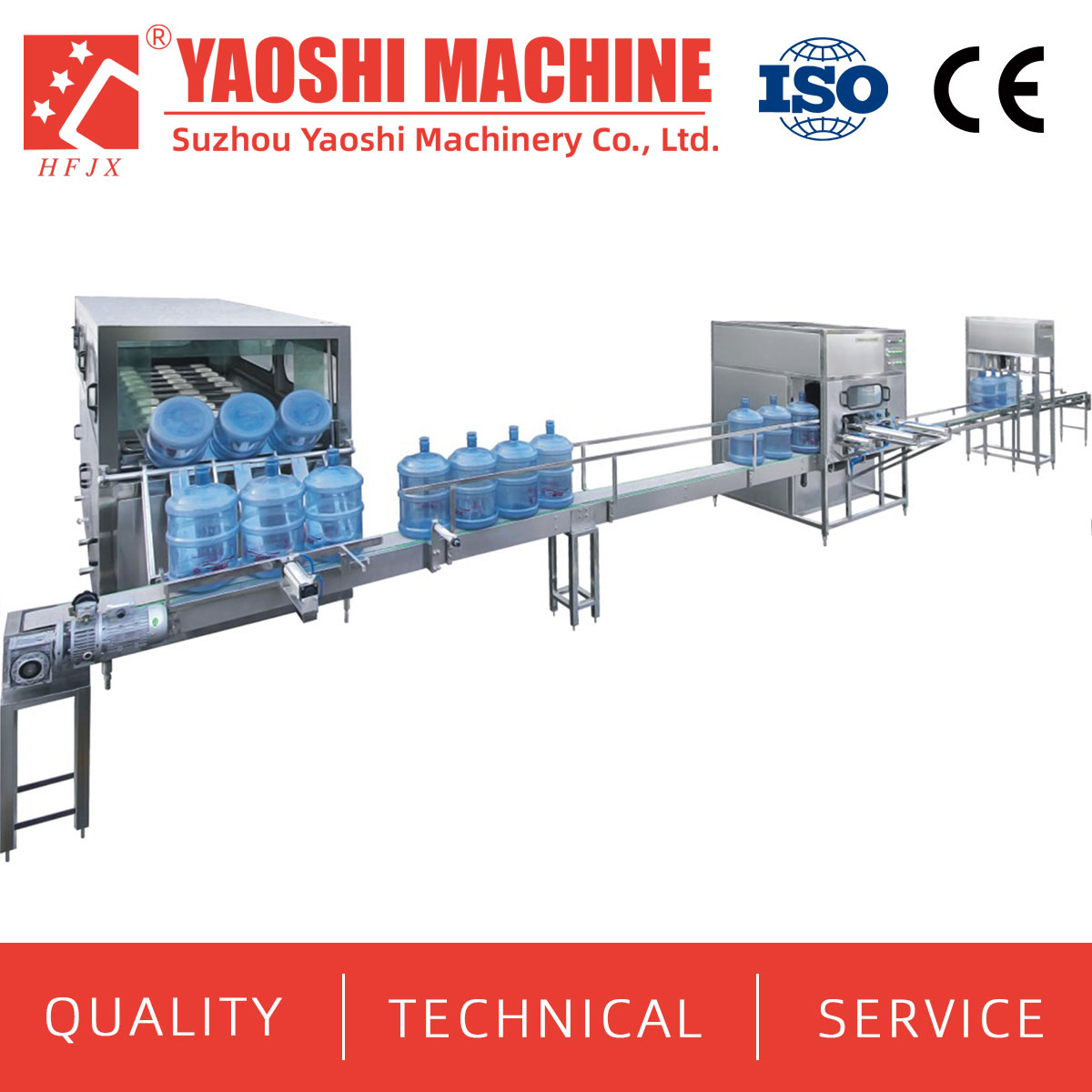
An RFQ that says “automatic liquid filling machine, 10,000 bottles per hour” can produce several prices for several different projects. One supplier may quote a filler only. Another may include rinsing and capping. A third may assume purchased empty bottles while the buyer expects bottle blowing, conveying, labeling and packing. The offers cannot be compared until the project basis and supply boundary are the same.
This checklist helps beverage plant owners, project managers and procurement teams prepare one controlled request for quotation. Complete each field where information is available. Mark unknown items as “TBC” and require every bidder to state its assumption. Do not allow an unstated assumption to become the equipment specification.
Automatic operation does not mean that every task from product preparation to pallet handling is included. The RFQ should name the required functions and the remaining manual work. For the filling section, clarify whether the request covers container infeed, rinsing, filling, cap feeding, capping or sealing, discharge, reject handling and connection to the plant control system.
For the wider line, identify whether empty-container supply, product preparation, coding, labeling, secondary packaging and finished-product handling are included. Use the automatic liquid filling machine range as a product reference, but let the approved RFQ fields determine the model and project scope.

Start the document with information that controls quotation validity and project communication:
Buyer company, factory location and destination country
Project type: new plant, capacity expansion or replacement machine
Contact persons for procurement, process, packaging and electrical questions
Requested quotation currency and delivery term, if already decided
Target order date, required production start and current project status
Required quotation language and document language
List of drawings, samples and product data attached to the RFQ
Commercial dates should be presented as buyer targets, not assumed supplier commitments. Ask each bidder to state the proposed production, inspection, shipment, installation and startup schedule separately.
Define the product at the filling-machine inlet. A brand name or flavor name is not a process specification. Create one row for every product family whose filling condition is different.
Product name and short recipe description
Still or carbonated condition
Viscosity at the stated filling temperature
Foaming tendency and required headspace
Pulp, fibers or particles: type, maximum size and concentration
Product temperature on entry to the filler and permitted operating range
Approved preservation route, such as ambient filling, hot filling or another confirmed process
Required fill quantity, fill-level basis and permitted product giveaway
Product sensitivity or material restrictions already identified by the buyer
Cleaning method and changeover expectations
If preparation, thermal processing, carbonation, storage tanks or CIP equipment belongs in the project, define that boundary and link it to the required beverage pretreatment system. The supplier should state the required product pressure, temperature and flow at the filling-machine inlet.
Capacity and changeover work depend on the approved package. Submit drawings and samples where possible. A photograph without dimensions is useful for identification but does not replace a controlled drawing.
Container material: PET, glass, can or another confirmed material
Nominal fill volume and overflow capacity, where relevant
Container height, maximum body diameter and base geometry
Neck finish or can-end specification
Empty-container weight and stability concerns
Closure type, dimensions, application method and torque or sealing requirement
Container and closure samples available for design and testing
Approved bottle, preform, cap, lid or can suppliers, if fixed
Prepare a package matrix rather than giving only the smallest and largest volume. Two bottles with the same volume may need different guides, starwheels, nozzles or cap handling. Require the quotation to list the format parts supplied for each approved container and closure.
State the required saleable output for a named reference SKU. BPH or CPH must always be tied to one product, container and closure combination.
Required good containers per hour for each package
Daily or shift production target
Scheduled operating hours and number of shifts
Expected batch length by major SKU
Product-change and package-change frequency
Current demand and separately identified future capacity target
Upstream and downstream equipment speeds, if equipment will be retained
Ask the bidder to distinguish filler rated speed from stable completed-line output. The response should identify the output-limiting SKU, the basis used for the proposed speed, and the capacity of each connected machine.
Mark every module as required, optional, existing or excluded. This prevents a standalone-machine offer from being compared with a wider production-line quotation.
| Project zone | Buyer field to complete | Supplier response required |
|---|---|---|
| Product preparation | Existing or required treatment, mixing, carbonation, thermal process, tanks and CIP | Included equipment, design inlet conditions, options and exclusions |
| Container supply | Purchased bottles/cans, bottle blowing, depalletizing or manual loading | Supply boundary, container delivery condition and interface point |
| Primary packaging | Rinsing, filling, capping/sealing, cap feeding and reject handling | Machine configuration, filling principle and included functions |
| Conveying and inspection | Required conveyors, accumulation, inspection and coding | Lengths, speeds, controls, sensors and exclusions |
| Labeling | Label material, position, dimensions, orientation and coding relationship | Suitable method, change parts and interface conditions |
| Secondary packaging | Shrink pack, tray, carton, pack pattern and finished-pack output | Included machine, pack formats, transfer conditions and options |
| Finished-product handling | Manual collection, palletizing or connection to existing handling | Defined discharge point and responsibility boundary |
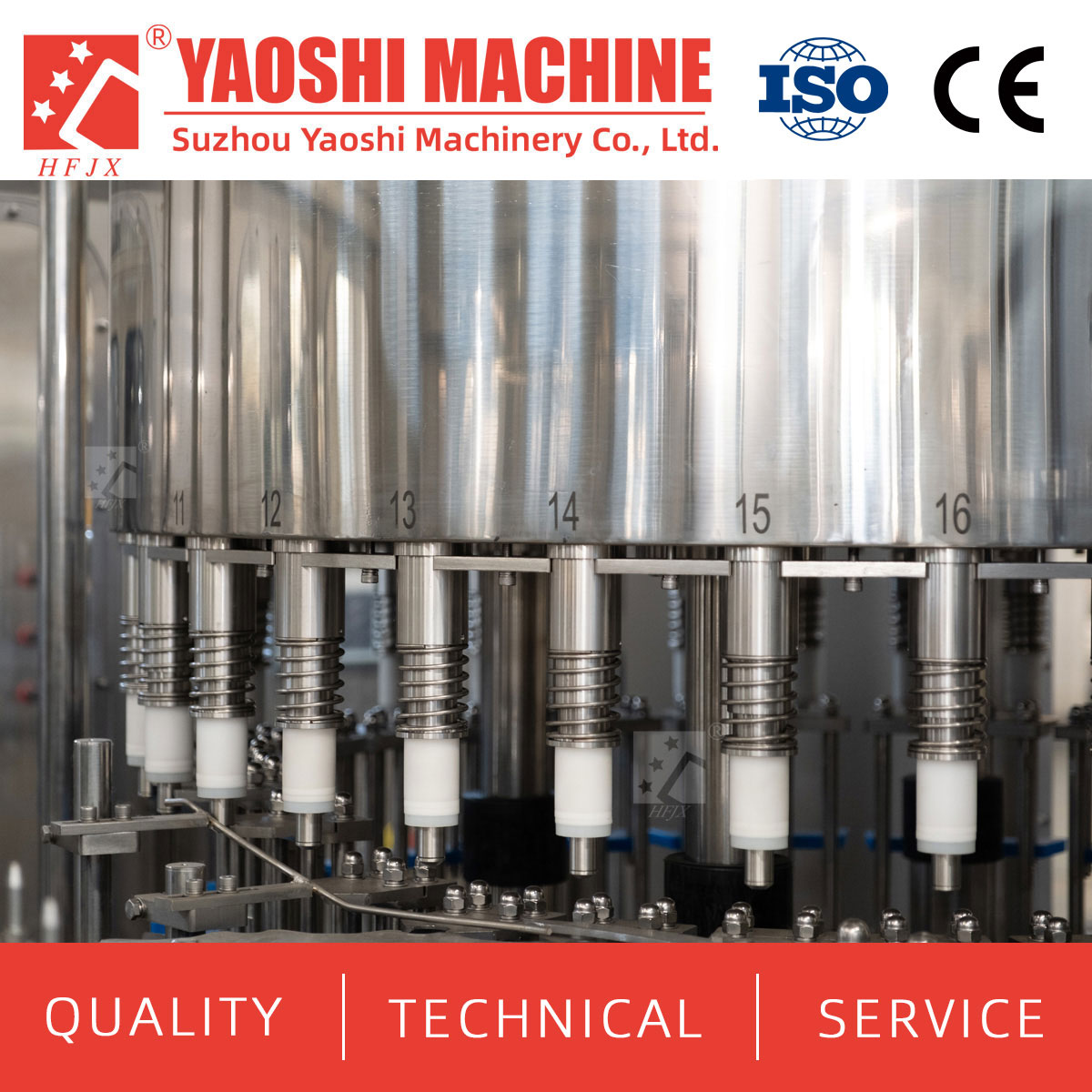
A replacement filler or partial-line project needs an interface schedule. Attach the current layout, photographs and available machine drawings. Record:
Container flow direction and required inlet and outlet positions
Conveyor height, width, speed, container pitch and accumulation condition
Product inlet location, connection size, pressure, temperature and return path
Cap or lid feeding point and available elevation
CIP supply and return connections
Electrical supply, control voltage and plant communication requirements
Start, stop, fault, speed and product-permission signals between machines
Equipment to be retained, modified, relocated or removed
Require a supplier interface drawing and interface list before manufacture. Every mechanical, product, utility, electrical and control connection should have one responsible party.
Provide the site conditions that can change equipment design or installation work:
Factory plan with dimensions, columns, doors, drains and ceiling height
Available machine footprint and maintenance clearance
Floor condition and any load or anchoring constraints
Local voltage, frequency and phase
Compressed-air pressure, quality and available capacity
Process water, cooling water, steam or other utilities required by the approved process
Room temperature and other relevant environmental limits
Delivery access, unloading route and largest permitted shipping dimensions
Ask for a utility consumption schedule and connection-point drawing. If values depend on operating mode or SKU, the supplier should identify the stated basis.
Do not postpone label and pack decisions until after the filler is ordered. Container orientation, conveyor handling and required accumulation can depend on the downstream format.
For automatic labeling equipment, provide label material, dimensions, application position, bottle orientation and the number of labels per container. For beverage packaging machines, provide pack pattern, film or carton specification, tray requirement, handle requirement and finished-pack dimensions.
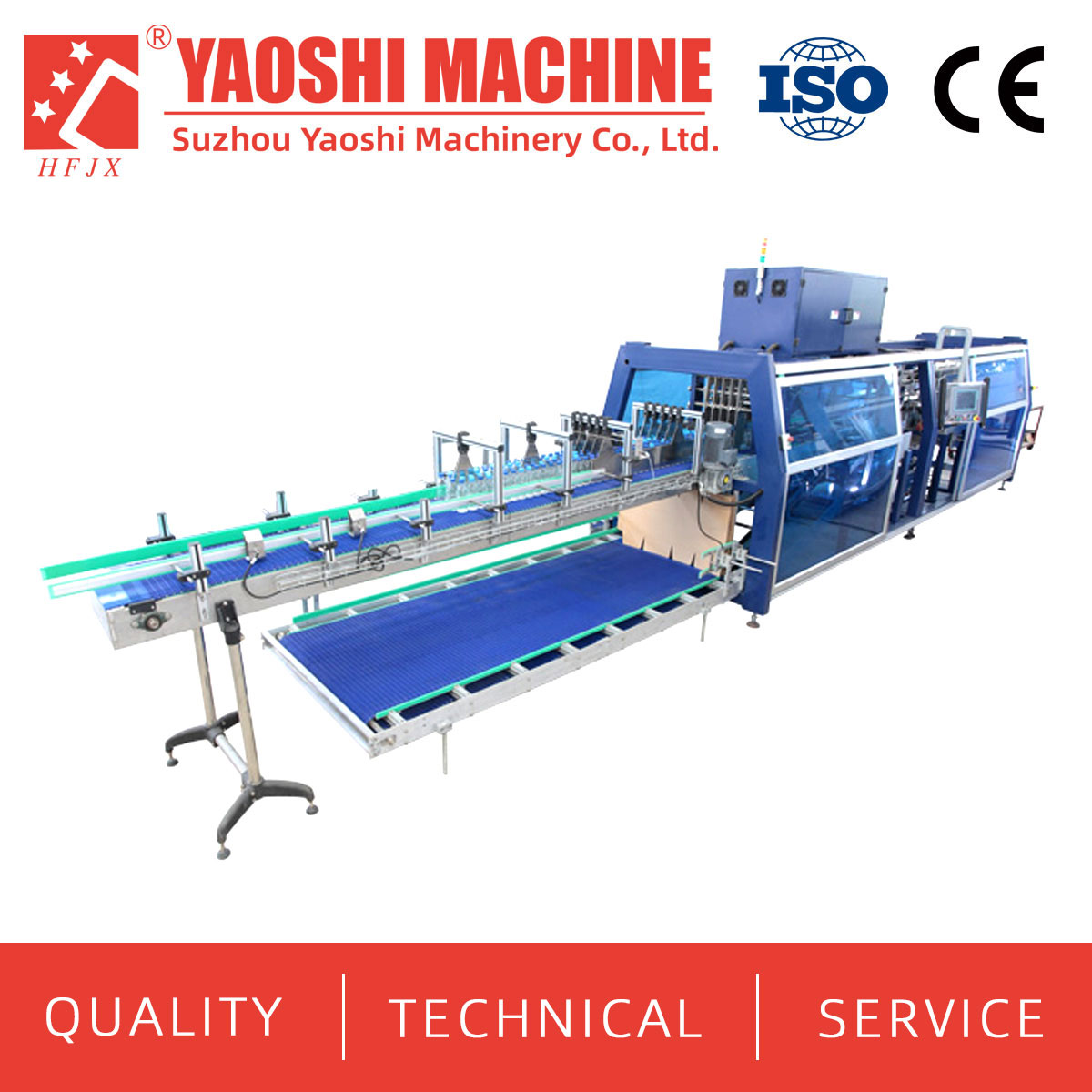
The RFQ should state whether the supplier controls the complete line speed or only delivers equipment to fixed interface conditions. Request the proposed buffer locations and the logic used when a downstream machine stops.
List the changeovers expected during normal production. Separate product change, fill-volume change, container change, closure change, label change and pack-pattern change. Ask the supplier to return:
change parts required for every approved SKU;
manual adjustment points and tools;
recipe-controlled settings;
product-contact parts requiring removal;
cleaning sequence and connections;
samples and materials required to verify each change; and
manual container, cap, label, film or carton replenishment tasks.
Do not request an unsupported “quick changeover.” Define the start and finish conditions for any changeover time that will become an acceptance item.
The RFQ should specify the deliverables needed to operate, maintain and accept the equipment. Request a proposal-specific list covering:
equipment list and technical description;
general arrangement and line layout;
electrical, pneumatic, product and utility diagrams;
control architecture and interface list;
operation, maintenance and spare-parts documents;
recommended wear and startup spare parts;
format-parts schedule;
factory test plan and buyer-supplied test materials;
site installation, commissioning and training boundary; and
exceptions, exclusions and buyer responsibilities.
Define how output, fill result, closure result, container handling and changeovers will be checked. The final acceptance criteria should be agreed against the approved product and package rather than copied from a generic brochure.
Issue the checklist in a table that bidders must complete without deleting rows. Use four response codes:
| Response code | Meaning | Required explanation |
|---|---|---|
| Comply | The offered scope meets the stated requirement | Reference the offered machine, drawing or document |
| Deviation | The offer differs from the requirement | State the difference, reason and technical consequence |
| Option | The item can be offered separately | State added scope, price treatment and interface effect |
| Excluded | The item is outside the offer | Name the responsible party and required interface |
Ask suppliers to list every assumption and unresolved item in one register. Quotations should be compared only after major deviations and scope differences have been identified.
Provide the product condition, container and closure drawings or samples, required output for a named SKU, equipment scope and factory utilities. For a retrofit, include the existing-line layout and interface details.
Only when the model has already been technically approved. Otherwise, specify the duty and require the supplier to select and explain the proposed model. This keeps responsibility for meeting the stated requirement visible.
State good containers per hour for each product and package combination, together with daily demand and operating hours. Ask whether the offered figure applies to the filler alone or the completed line.
Mark it TBC and require each supplier to state the assumption used. Before manufacture, convert consequential assumptions into approved drawings, samples or written specifications.
No. The quotation should identify manual loading, replenishment, sampling, cleaning, changeover, inspection and fault-recovery tasks. Ask for the assumed operating roles instead of relying on the word “automatic.”
Use the same checklist and require Comply, Deviation, Option or Excluded against every field. Normalize the equipment boundary, interfaces, documents, testing and buyer responsibilities before comparing the commercial totals.
For a new automatic filling project or replacement machine, send the product data, container and closure drawings or samples, required output by SKU, desired equipment boundary and factory conditions. Include existing conveyors, product connections, utilities and control interfaces where the new equipment must join an operating line.
Send the RFQ package to Yaos Machinery at tony@yaos.ltd or WhatsApp +86 18915689808. Request a proposed equipment list, line layout, utility schedule, interface list and written scope boundary so the technical and commercial offer can be reviewed against one project basis.


+86-512-58530618

Wukesong Road, Sanxing Town, Zhangjiagang City, Jiangsu Province, China