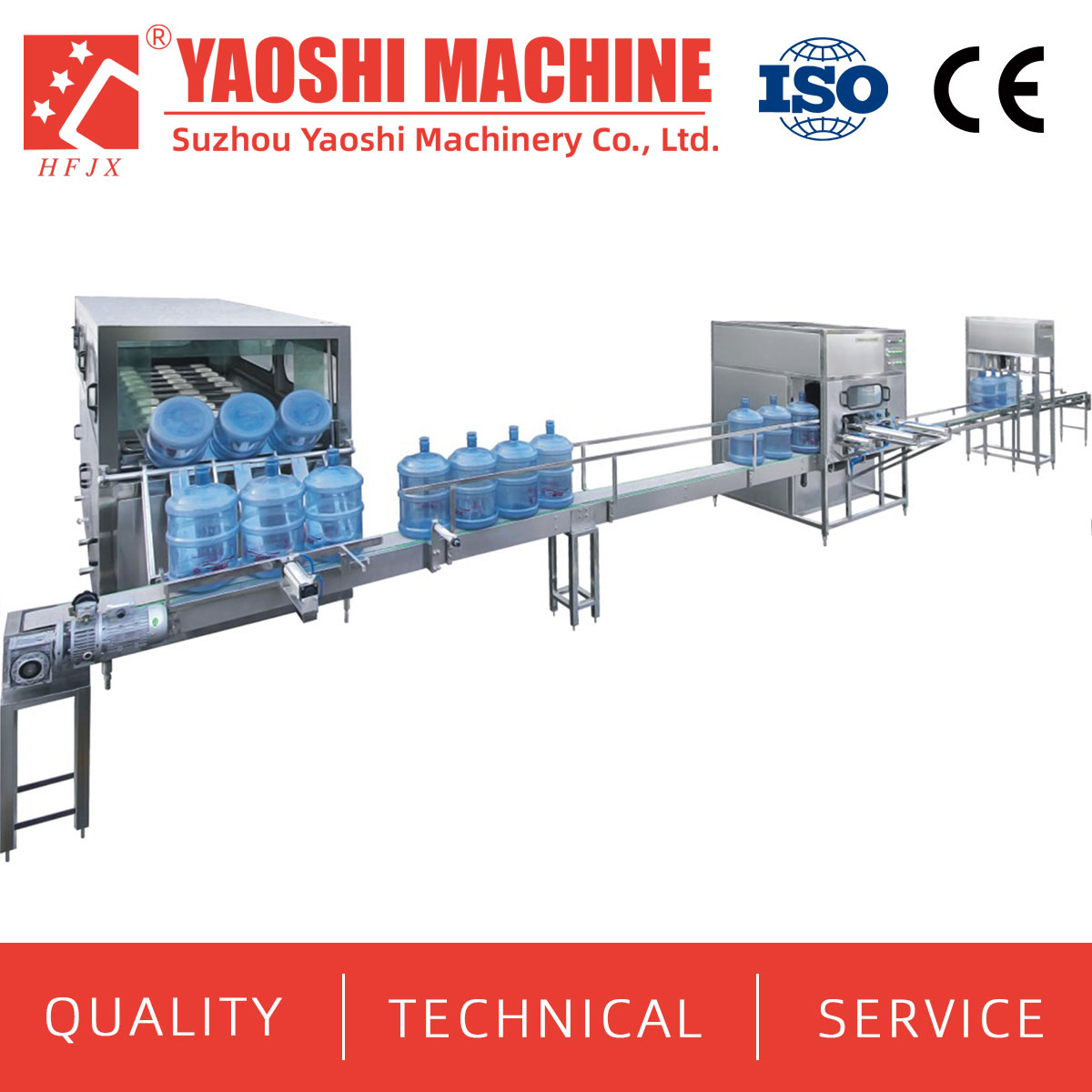
“500 ml PET bottle” is not a complete specification for container filling equipment. Two bottles with the same nominal volume can have different neck finishes, body diameters, shoulder profiles, base geometry and dimensional tolerances. Those differences can change how a bottle is fed, supported, centered, filled, capped, transferred, labeled and packed.
A reliable equipment proposal should therefore start with controlled container and closure drawings, not only a photograph or a volume description. Physical samples are also important because drawings define nominal geometry, while samples show how the package behaves on a running line. This guide explains which drawing fields affect machine configuration and what a buyer should submit before requesting a quotation.
The filling principle is selected mainly from the product and process conditions, but the container determines many of the mechanical interfaces around that process. A supplier must know where the container can be held, how it remains stable, whether the filling valve can enter or seal against the opening, and how the closure will be applied.
When drawings arrive late, the initial quotation may rely on assumptions. A later change to the neck, cap, bottle height or base can require new change parts or a different transfer arrangement. Sending the correct drawing revision early allows the supplier to identify these effects before the equipment layout and scope are fixed.
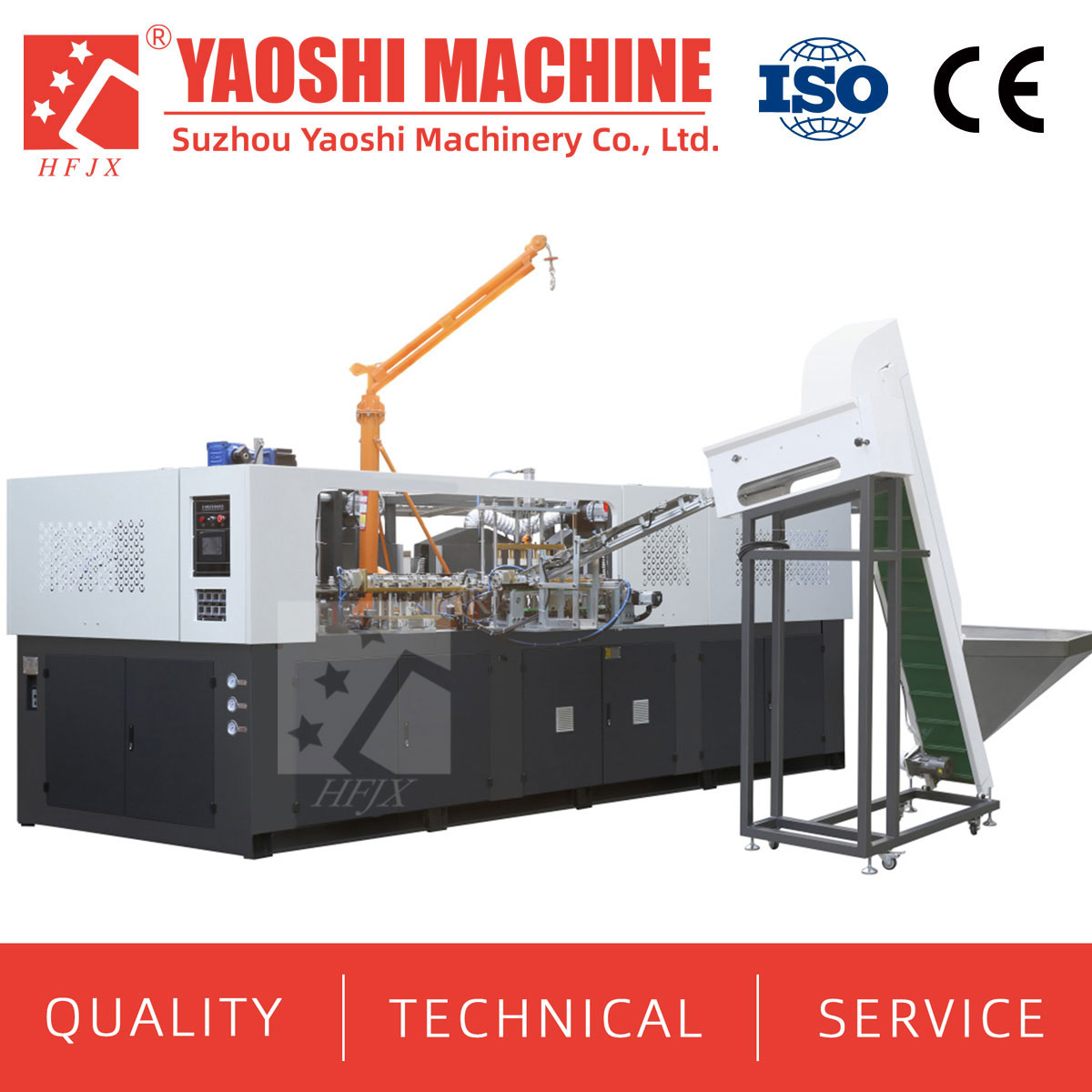
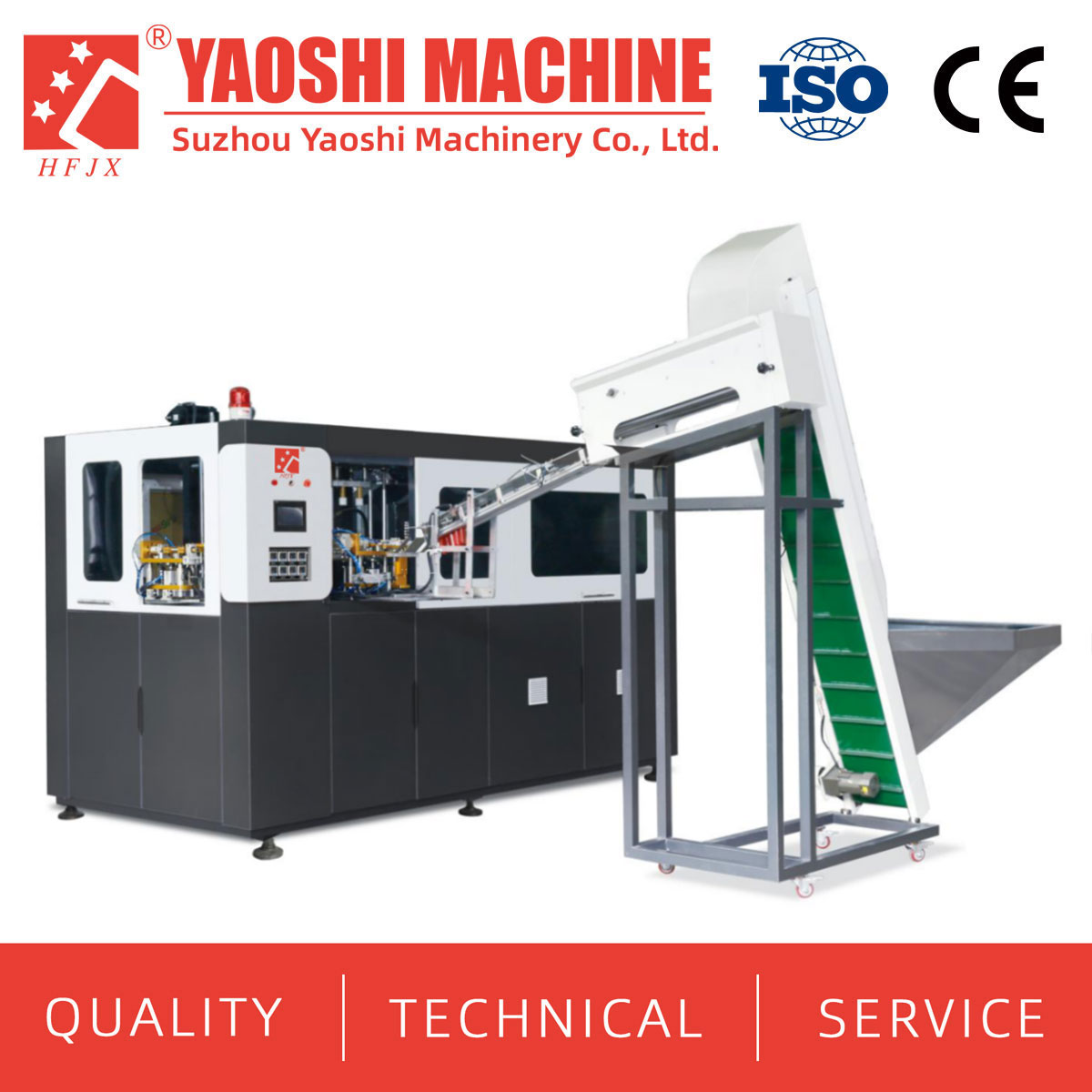
For a PET project, container development may also connect directly to the PET blow molding machine. The finished-bottle drawing, preform and mold design should describe the same approved package rather than separate versions created by different suppliers.
A supplier needs more than overall height and maximum diameter. The drawing should identify the package material, nominal volume, overflow volume where relevant, dimensional units, tolerances, drawing number and revision. It should also show the closure interface and the reference points used to measure the container.
Overall envelope: total height, maximum width or diameter, and the location of the widest section.
Opening and finish: bore diameter, outside finish dimensions, thread or sealing profile, support ring where applicable, and the matching closure specification.
Shoulder and body: shoulder transition, grip panels, ribs, handles, sidewall profile and usable guide-contact areas.
Base: standing ring or contact points, push-up geometry and any features that affect stability across conveyor transfers.
Label area: panel height and diameter, taper, recessed areas, orientation features and the approved label type.
Container condition: empty weight, material, whether the container arrives empty or freshly blown, and any temperature or pressure condition that may affect handling.
Drawing control: part number, revision, issue date, units and tolerances for critical dimensions.
| Drawing field | Equipment area affected | Supplier decision to confirm |
|---|---|---|
| Overall height and maximum diameter | Infeed, guide rails, machine pitch, transfers and guarding clearance | Whether adjustment is sufficient or dedicated format parts are required |
| Neck finish, bore and support ring | Neck handling, rinsing grippers, centering components, filling valve interface and capper | Support method, valve compatibility and closure-handling configuration |
| Shoulder and body profile | Side guides, clamps, starwheels and bottle orientation | Safe contact zones and the risk of marking, deformation or unstable transfer |
| Base geometry and footprint | Conveyors, dead plates, transfer gaps and accumulation | Required support surface, guide position and transfer conditions |
| Label panel and orientation features | Labeler, container spacing and orientation controls | Labeling method, sensor reference and whether orientation is required |
| Closure drawing | Closure feeder, chute, pick-off, chuck or sealing head | Closure presentation, application method and dedicated change parts |
| Dimension tolerances | All container-contact and transfer parts | Whether the full production range can run without jams, poor centering or inconsistent closure application |
The opening is a direct interface with the rinsing, filling and closing functions. Its inside diameter can limit valve or vent-tube access. The top sealing surface and finish geometry affect centering and closure application. For neck-handled PET bottles, the support-ring position can also become a principal transfer reference.
A closure name such as “plastic screw cap” is not enough. The supplier should receive the matching cap drawing, including dimensions and tolerances, together with samples from the intended closure source. If several caps share one bottle finish, each combination must be listed separately. For cans, the can-body and end specifications should be treated as a distinct package set because seaming is not interchangeable with bottle capping.
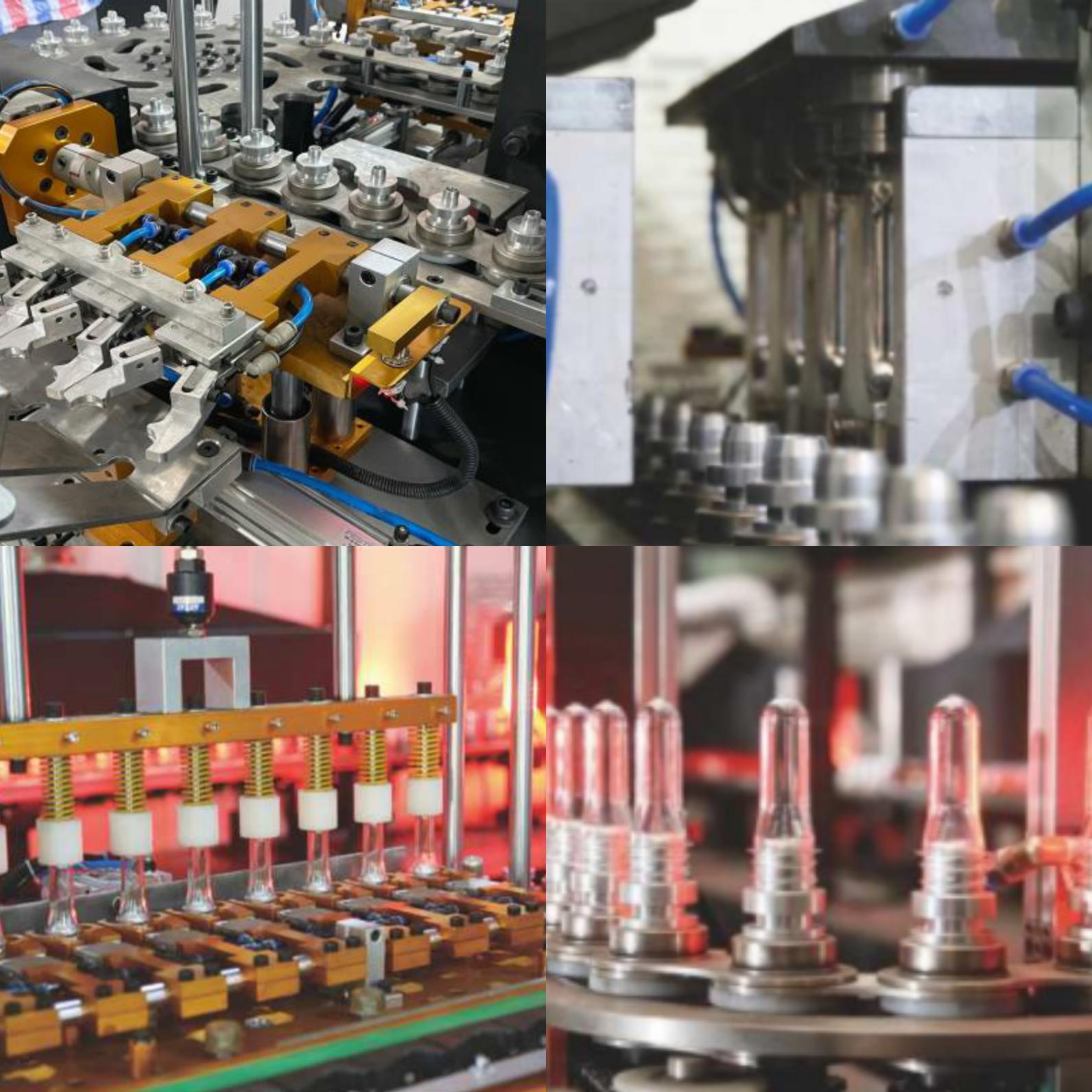
These inputs help define the container-contact components in the beverage filling equipment, but they do not select the filling method on their own. The buyer must also provide the liquid type, viscosity or particles where relevant, carbonation, fill temperature, target fill level or volume, cleaning requirements and desired output.
A container may stand well on a flat table but become unstable at a conveyor gap, starwheel transfer or accumulation point. Tall, narrow packages and bottles with a small or irregular base need particular attention. The drawing should identify the actual contact footprint rather than only the outer base diameter.
Handles, deep grip panels, asymmetrical shapes and pronounced ribs also affect where side guides can touch the container. If a bottle must face a particular direction before filling, labeling or packing, the drawing should show a repeatable orientation feature. The supplier can then determine whether passive guides are enough or whether active orientation is required.
The approved package drawing should continue downstream. A tapered label panel, an embossed feature or a limited straight-wall area can change the suitable labeling arrangement. Buyers should provide the label artwork dimensions, material and required position so that the automatic labeling equipment is evaluated against the real package.
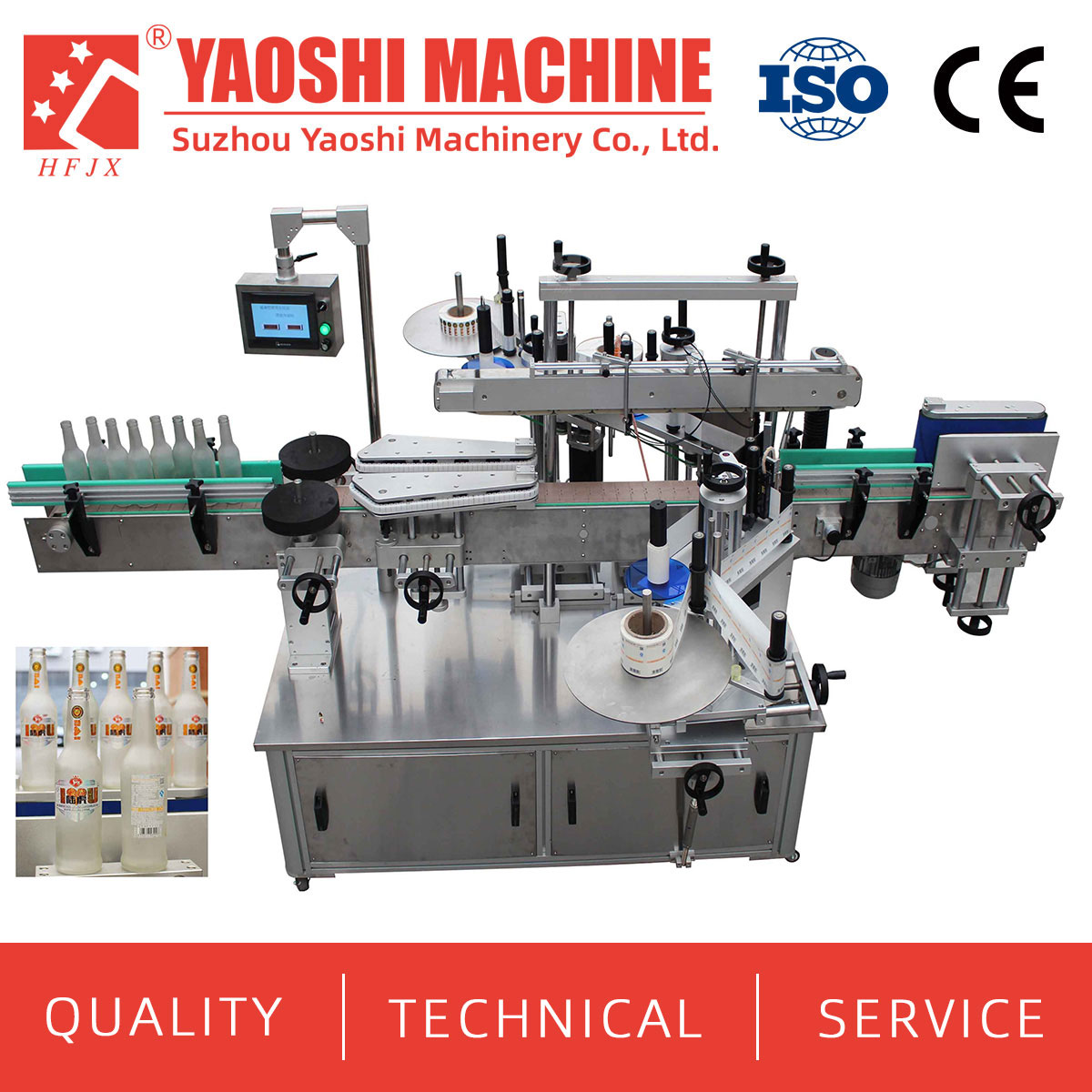
The outer dimensions of the filled and labeled container also determine grouping patterns, carton dimensions, film width and guide settings in the beverage packaging machines. If a project includes only the filler, the quotation should still define the discharge-container condition and handoff point to downstream equipment.
A nominal drawing does not describe every production bottle. Actual containers vary within manufacturing tolerances, and lightweight packages can behave differently when empty and filled. The supplier should receive the specified minimum and maximum values for critical dimensions, not an average measurement from one sample.
Provide sample quantities agreed with the equipment supplier, drawn from normal production where possible. Samples should represent each container and closure combination, including the expected tolerance range. If the package is still under development, mark it as provisional and establish a date for design freeze. Every later drawing change should be issued with a revision number and a short description of what changed.
A multi-SKU project should use one controlled matrix rather than scattered emails. List each product, container part number, closure part number, nominal fill volume and target output. Add the applicable label and secondary-pack format. This makes it easier to identify common settings and dedicated change parts.
| Buyer field | What to submit | Why it matters |
|---|---|---|
| Product | Liquid description and confirmed process conditions | Defines filling and hygiene requirements |
| Container | Controlled drawing, material, part number and physical samples | Defines handling, support, centering and transfer interfaces |
| Closure | Controlled drawing, supplier reference and samples | Defines feeding and closing components |
| Output | Required bottles or containers per hour for each size | Connects format selection to real line capacity |
| Existing line | Conveyor height, direction, speed, accumulation, controls and handoff conditions | Defines upstream and downstream interfaces |
The quotation should show how the submitted packages were interpreted. Ask for a container compatibility matrix, a list of included change parts, an interface drawing and a record of assumptions or exclusions. Where practical, the supplier should identify critical drawing dimensions on a marked-up package drawing.
The acceptance plan should also name the container and closure revisions used for testing. If one SKU is not available before the factory test, the quotation should state how that format will be verified later and which party carries the related sample, travel or modification responsibility. This turns package compatibility into a reviewable project item instead of an informal promise.
A photograph can support an early discussion, but it does not provide controlled dimensions, tolerances or the closure interface. Use it only as preliminary information and follow it with drawings and representative samples.
Not necessarily. Equal-volume bottles may have different diameters, heights, necks, shoulders and bases. The supplier must compare the actual drawings before confirming shared parts.
Yes. Submit the container and closure drawings as a matched set, with samples of both. The cap feeder and application system depend on closure geometry as well as the bottle finish.
Use the latest approved production revision. If the package is provisional, state that clearly and agree on a design-freeze date and change-control process.
No. Drawings define the design and tolerance limits; samples allow the supplier to observe real handling behavior. Both are needed for a complete compatibility review.
Submit the package drawings together with conveyor elevations, line direction, available space, speed and accumulation conditions, electrical and control interfaces, and the required condition of the container at each handoff.
For a container filling equipment review, send Yaos Machinery the product description, container and closure drawings, representative samples, required output for each SKU, and the upstream and downstream interfaces of the existing or planned line. The engineering team can then review the package contact points, filling and closing interfaces, change-part scope and line handoffs against one controlled data set.
Email tony@yaos.ltd or call/WhatsApp +86 18915689808. Include the drawing revision and container part number in your message so the review can be traced to the correct package.


+86-512-58530618

Wukesong Road, Sanxing Town, Zhangjiagang City, Jiangsu Province, China