



A request for higher output often becomes a request for a fully automatic liquid filling machine. The two are related, but they are not the same decision. Automation works when bottles, product supply, closures and downstream equipment arrive at the filler in a predictable condition. If any of those inputs remain unstable, a faster machine can spend more time waiting, stopping or producing work for operators to correct.
The practical question is whether the plant can support continuous, repeatable operation. This guide focuses on those operating conditions. It does not compare automatic and semi-automatic machines as two generic categories. Instead, it helps a beverage plant decide whether the product plan, packaging formats, line interfaces and staffing model are ready for full automation.
“Fully automatic” should describe a confirmed process boundary. At minimum, the quotation should state how empty containers enter, how they are rinsed or prepared, filled and closed, and how finished containers leave the machine. If bottle feeding, cap loading, inspection, labeling or packing is outside the quoted scope, those tasks do not become automatic simply because the filler has automatic controls.
Operators still have defined work. They supply packaging materials, verify recipes, perform inspections, respond to alarms, clean the equipment and complete changeovers. A useful proposal identifies these tasks and the intervention points between machines. This prevents the buyer from assuming that an automatic filler removes every manual activity around the line.
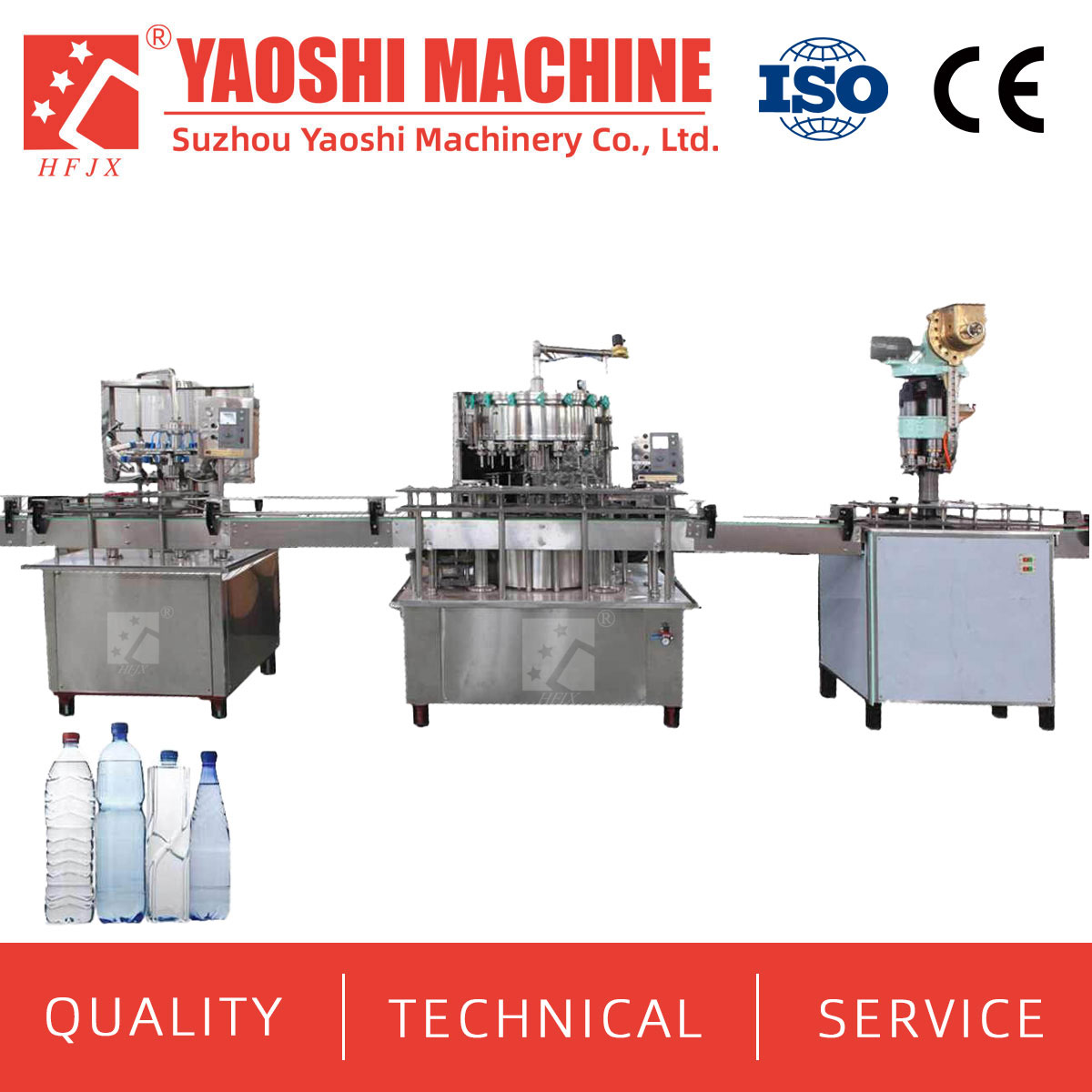
The first scope decision is whether the project needs a standalone filler, a rinsing-filling-capping unit or a wider line. Yaos Machinery lists water, juice, carbonated beverage and can applications within its beverage filling machine range. The actual configuration still depends on the confirmed product, package and process.
A peak sales forecast is not enough to size an automatic line. The buyer should translate demand into production hours for each SKU: saleable units required, available shifts, planned operating days, expected changeovers, cleaning time and other scheduled stops. The result is a required sustained rate, not simply the highest number printed on a machine proposal.
Full automation is easier to justify when the plant has regular production blocks that keep a connected line occupied. It is less convincing when most orders are small, urgent batches with frequent product and package changes. In that case, the nominal speed may be high while weekly utilization remains low.
Calculate required containers per hour for every container volume, not one blended target.
Separate normal demand from seasonal peaks and future projections.
Deduct cleaning, format change and planned maintenance from available production time.
Confirm which machine is expected to set the line rate.
The equipment cannot compensate for an undefined beverage process. The supplier needs to know whether the product is still or carbonated, its relevant flow and foaming behavior, the filling temperature, any particles or pulp, and the required cleaning procedure. Product supply pressure, temperature and flow should also remain within the agreed operating conditions.
A fully automatic liquid filling machine is a better fit when these inputs are controlled from batch to batch. If the recipe or preservation process is still changing, the plant should complete product trials and define the filling conditions before freezing the equipment specification. Water, juice, tea, carbonated drinks and beer should not be treated as interchangeable liquids simply because all are beverages.
Automatic transfers depend on repeatable container geometry. Bottle height, diameter, neck finish, support ring, base stability and material affect guides, starwheels, grippers and centering parts. The matching cap, crown or can end affects feeding and closing equipment. A visual sample or nominal fill volume alone does not define these interfaces.
Provide controlled drawings and representative samples for every approved combination. If a new PET bottle is produced in-house, the bottle design and the PET blow molding equipment should be reviewed together with the filling-line interfaces. Late changes to the bottle or closure can change the required format parts and invalidate earlier layout assumptions.
An automatic filler cannot deliver stable line output if empty containers arrive irregularly or filled bottles repeatedly queue at the next machine. The project must therefore define the container path from infeed to discharge, including conveyors, accumulation, control signals and fault behavior.
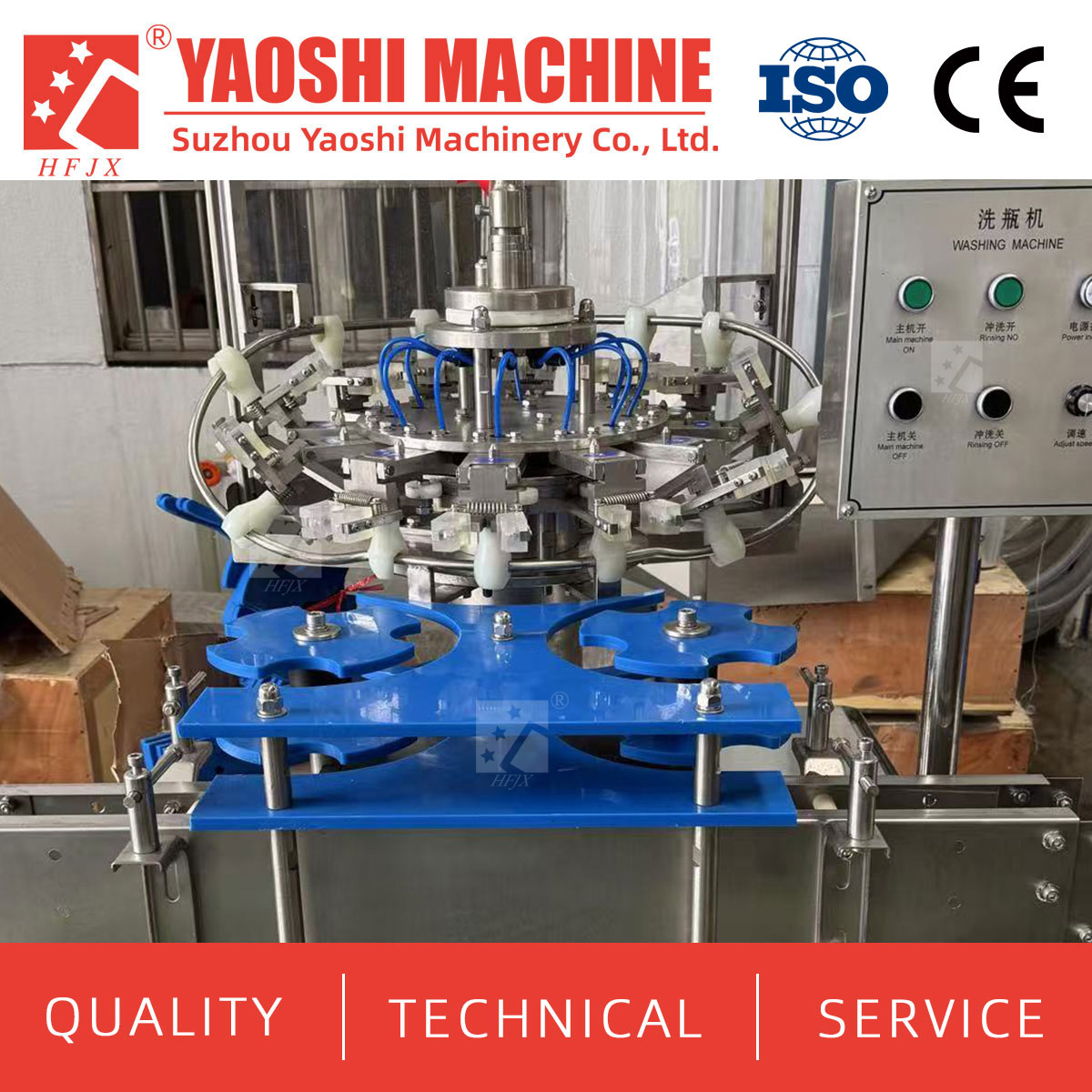
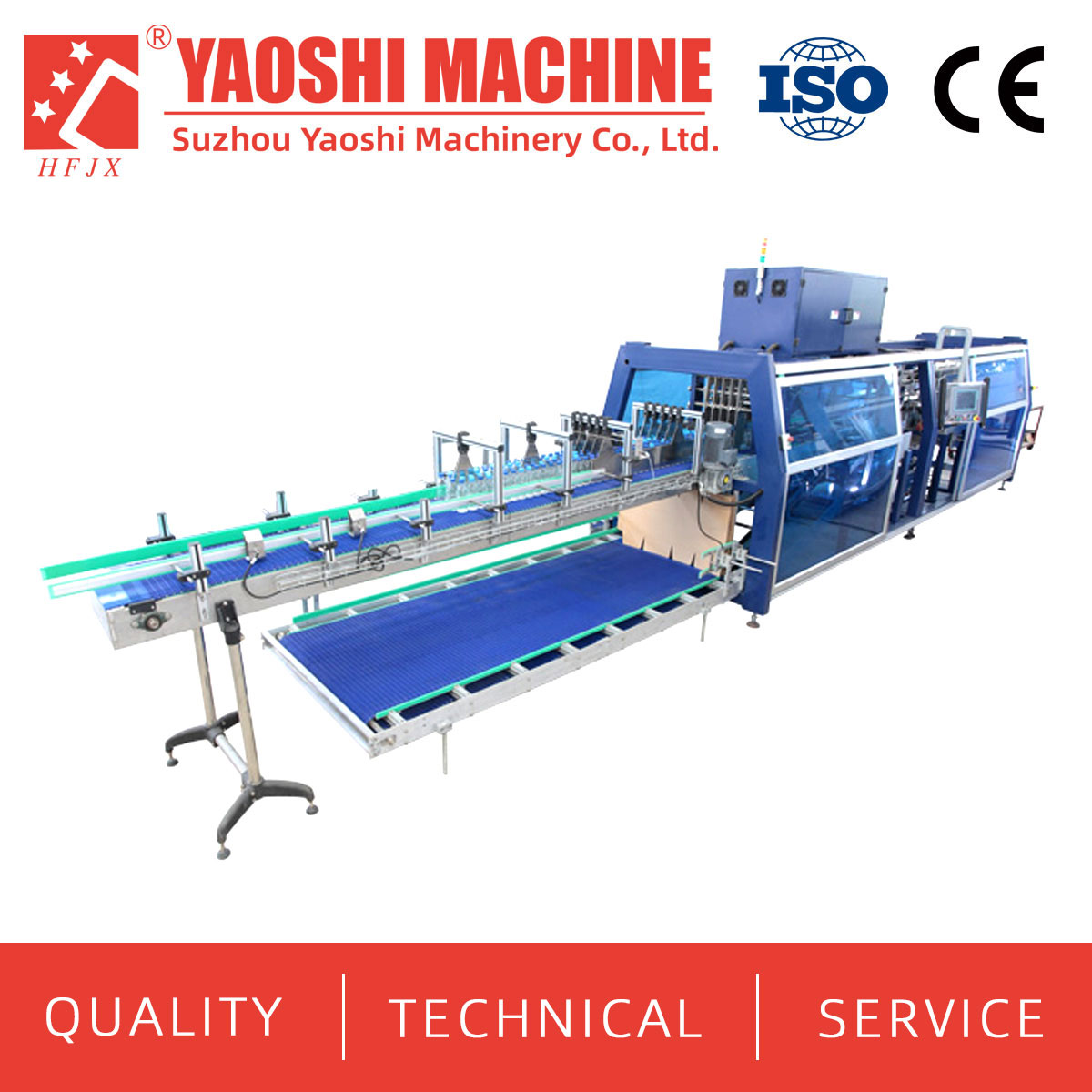
Check the required rate of each connected station using the same bottle and product. Label dimensions, application method and container stability affect the automatic labeling machine. Secondary-pack pattern, bottle grouping and pack material affect the beverage packaging equipment. A supplier should not balance the line by comparing headline speeds taken from unrelated formats.
| Readiness condition | Positive fit signal | Warning sign | Buyer evidence to provide |
|---|---|---|---|
| Demand and run length | Regular production blocks at a defined sustained rate | Short, irregular orders dominate the schedule | SKU forecast, shift plan and available production hours |
| Product process | Recipe and filling conditions are controlled | Temperature, carbonation, foam or particles remain undefined | Product data and confirmed process description |
| Container and closure | Approved drawings and representative samples are available | Package design is provisional or suppliers are not selected | Container and closure matrix with revision numbers |
| Line balance | Upstream and downstream rates use the same design basis | Each machine is quoted independently | Equipment list, rated formats and accumulation plan |
| Changeover and cleaning | Frequency, sequence and operator tasks are known | Production plan ignores non-running time | SKU schedule and cleaning/changeover requirements |
| Factory interfaces | Space, utilities, elevations and controls are documented | Layout is based on an unverified machine footprint | Factory drawing and interface schedule |
Many recipes in a control system do not guarantee fast physical changeover. A new bottle may require guide, starwheel or handling-part changes. A new cap can affect the feeder and closing components. A different beverage may require product displacement, cleaning and verification before the next run.
List every product, container, closure, label and secondary pack as an SKU matrix. Then ask the supplier to identify which changes are recipe-based, which require adjustment and which require dedicated parts. Evaluate the complete changeover from the last acceptable pack of one SKU to the first acceptable pack of the next. Full automation fits better when long campaigns or grouped formats keep this lost time proportionate to productive running time.
Automation reduces some repetitive container-handling tasks, but it changes the skills required on the shift. The plant needs people who can verify packaging materials, recognize abnormal flow, isolate faults, restore the line in the correct sequence, inspect output and perform planned cleaning and maintenance.
Before purchasing, map the operator role at startup, normal running, material replenishment, format change, cleaning and fault recovery. If the plant has not assigned these responsibilities, the automatic line may depend on improvised intervention. The staffing decision should be based on actual work at each station, not a promised headcount reduction.
Automatic equipment needs more than floor area for the machine frames. The layout must include conveyor approaches, access for cleaning and maintenance, change-part handling, electrical cabinets, drainage and safe material movement. Existing conveyor elevations and directions must be measured when the new filler connects to installed equipment.
Share the available electrical supply, compressed air, water and any other process utilities required by the confirmed project. The quotation should state utility conditions at the agreed machine boundary. Controls also need defined start, stop, fault, backup and container-demand signals between machines so that one local interruption does not create uncontrolled accumulation elsewhere.
A beverage plant is generally ready to evaluate full automation when most of the following statements are true:
The required sustained output has been calculated from a realistic production schedule.
Product recipes and filling conditions are confirmed and repeatable.
Container and closure drawings are approved, and production samples are available.
Run lengths are long enough to absorb cleaning and format-change time.
Upstream preparation, bottle supply, labeling and packing can support the same operating basis.
The factory has documented space, utilities and existing-line interfaces.
Shift personnel can operate, inspect, troubleshoot and maintain a connected line.
The buyer and supplier can agree on acceptance products, packages and test conditions.
If several conditions are unresolved, the correct next step may be to freeze the package, validate the beverage process or define the line boundary before selecting a machine. Staging a project can also be reasonable when the plant has a clear future integration plan. The proposal should show which interfaces are prepared now and which modules would be added later.
A comparable proposal should state the included automation boundary, operator tasks, supported SKUs, change-part scope, design rate for each approved container, connected-machine interfaces and acceptance basis. It should also list assumptions and exclusions. Avoid accepting “fully automatic” as a complete technical description.
For a Yaos Machinery review, organize the enquiry around the product, container, sustained output and line interfaces. These inputs allow the filling section and connected modules to be evaluated as one operating system without assuming that every beverage or package uses the same configuration.
No. Operators still replenish materials, confirm settings, inspect output, respond to alarms, clean equipment and complete changeovers. The quotation should define which actions remain manual.
No. Convert demand into sustained output after allowing for shifts, cleaning, format changes and planned stops. Then verify that upstream and downstream equipment can support the same rate.
Potentially, but compatibility must be checked from drawings and samples. Some formats may share adjustments, while others require dedicated handling parts or a different closure setup.
Provide the beverage type, whether it is still or carbonated, relevant viscosity or particles, filling temperature, foaming behavior, required fill basis and cleaning requirements.
It can be evaluated for integration after the supplier receives the existing layout, conveyor height and direction, speed, accumulation conditions, controls, utilities and handoff requirements.
Compare the complete transition between saleable production runs. Include physical parts, adjustments, recipe selection, product change, cleaning, verification and restart rather than considering control-recipe time alone.
The buyer and supplier should agree on the product or test medium, container and closure revisions, line scope, operating conditions, test duration and acceptance measurements before testing begins.
Send Yaos Machinery your beverage and filling conditions, container and closure drawings or samples, required output for each format, production schedule, factory layout, utilities, and the upstream and downstream equipment that must connect to the filler. Ask for the proposed equipment list, automation boundary, interface requirements and quotation scope.
Email tony@yaos.ltd or call/WhatsApp +86 18915689808. State whether the project is a new line, an expansion or a connection to existing equipment so the review starts from the correct boundary.


+86-512-58530618

Wukesong Road, Sanxing Town, Zhangjiagang City, Jiangsu Province, China


