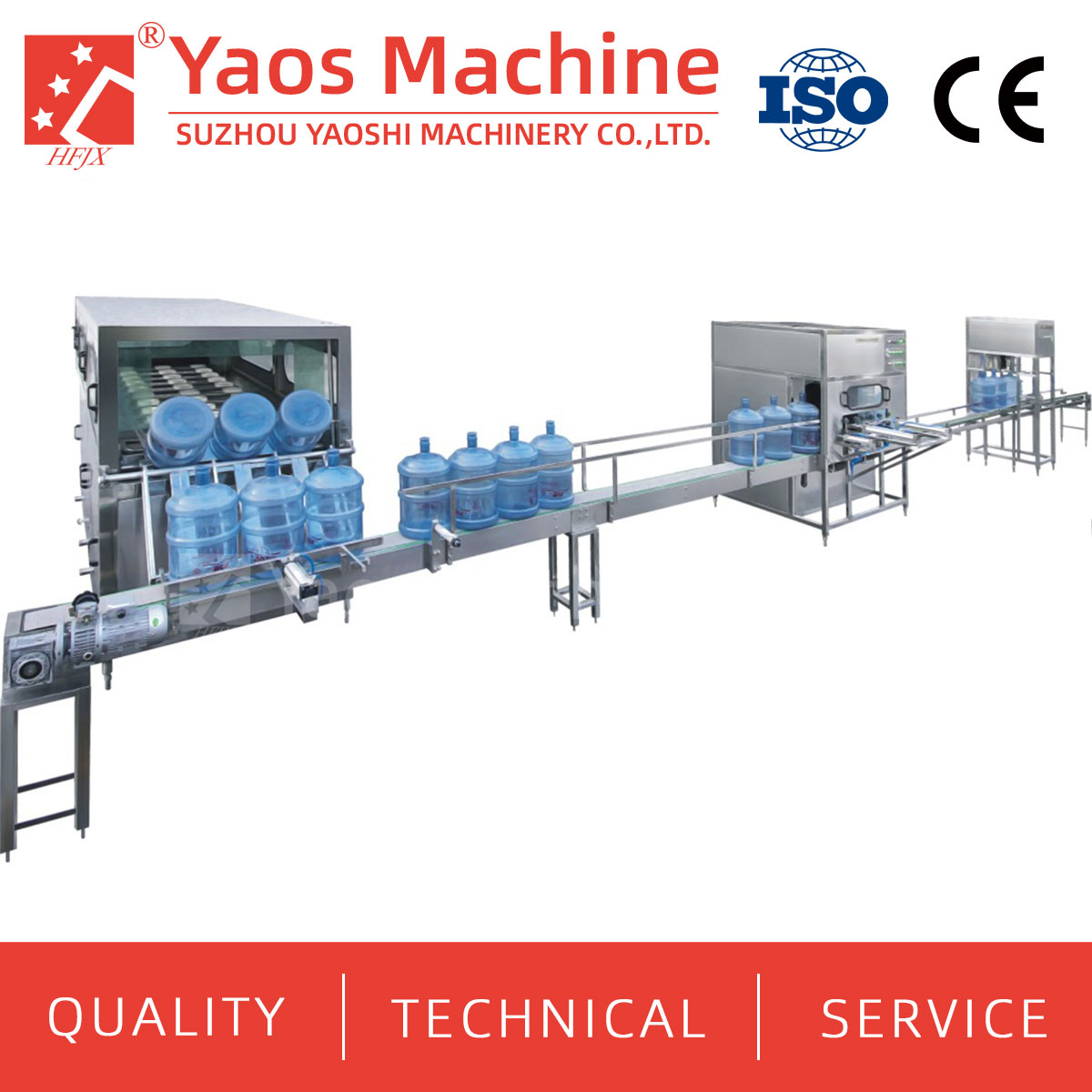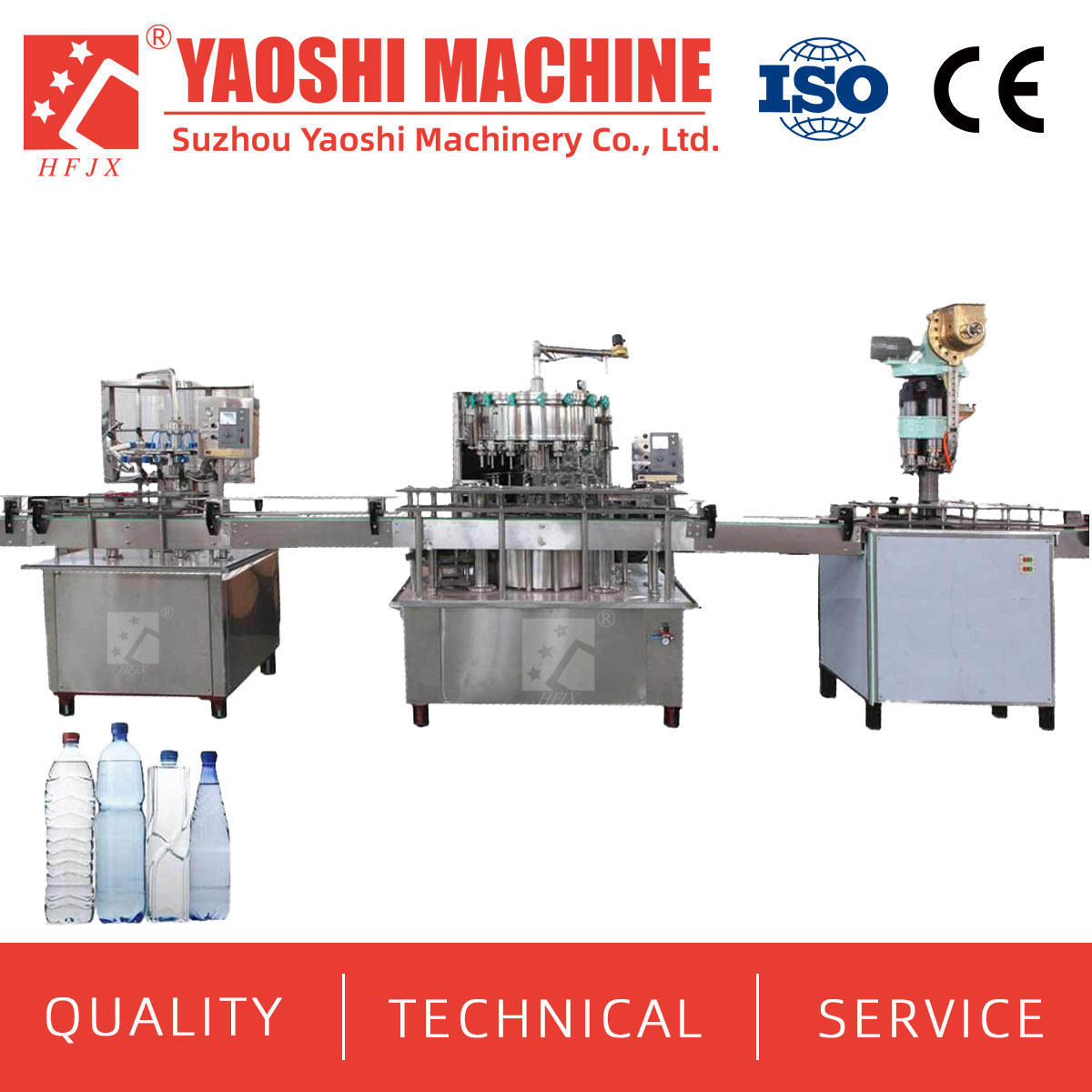
Water filling machines are complex electro-mechanical systems representing a significant capital investment. First-time buyers and expanding producers often have similar questions about performance, maintenance, regulations, and return on investment. This article addresses the most common inquiries with factual, engineering-based answers.

The machine size is determined by your required output in bottles per hour. A startup producing 5,000 bottles per shift needs a machine rated at 1,000 to 2,000 BPH. A regional brand distributing 50,000 bottles daily requires a line in the 6,000 to 12,000 BPH range. Always add 20 percent capacity margin to account for peak demand and maintenance stoppages.
Gravity fillers rely on natural flow from an overhead tank, suitable for still water and non-carbonated beverages. Pressure fillers use counter-pressure to fill carbonated drinks without foaming. The choice depends on your product type. Some dual-purpose machines handle both modes with a conversion kit.
Rotary fillers use a rotating turret with multiple filling heads, achieving speeds above 6,000 BPH in a compact footprint. Inline fillers process bottles in a straight line, suited for outputs below 3,000 BPH where floor space is less constrained. Rotary machines cost more initially but deliver lower per-bottle costs at higher volumes.
The installation area must have a level concrete floor rated for the machine's operating weight, ranging from 1.5 to 8 tons. Three-phase electrical supply, potable water connection, floor drainage, and compressed air lines must be in place before the installation team arrives.
Standard commissioning for a mid-range filling machine takes 5 to 10 working days. This includes mechanical assembly, electrical wiring, PLC programming, trial runs, and operator training. Complex lines with multiple integrated stations may require 15 to 20 days.
Basic operation does not require engineering degrees. A motivated technician can learn machine operation within one week of hands-on training. However, having a maintenance technician with electrical and mechanical troubleshooting skills on staff reduces downtime significantly. Many manufacturers offer on-site training as part of the commissioning package.
Daily maintenance includes rinsing the filling valves, checking lubricant levels, and inspecting seals for wear. Weekly tasks involve cleaning filters, verifying sensor calibration, and tightening loose connections. Monthly maintenance covers bearing greasing, belt tension adjustment, and control cabinet dust removal. A preventive maintenance overhaul is recommended every 12 months.
The three most frequent failure points are filling valve seal wear, conveyor chain jams, and sensor drift. Seal wear is accelerated by abrasive particles in the water supply, which is why proper pre-filtration is critical. Conveyor jams often result from misaligned bottle guides.
Keep the machine clean and dry when not in use. Use only food-grade lubricants on contact surfaces. Replace seals at the intervals specified in the manual rather than waiting for visible leaks. Store spare parts for critical components such as filling nozzles, control boards, and proximity sensors.
The following table provides reference data for common water filling machine configurations.
Machine Parameter | Entry Level | Mid Range | High Speed |
|---|---|---|---|
Output (BPH) | 1,000 - 3,000 | 4,000 - 12,000 | 15,000 - 36,000 |
Filling Heads | 6 - 12 | 16 - 32 | 40 - 80 |
Power Requirement | 5 - 10 kW | 12 - 25 kW | 30 - 50 kW |
Floor Space (m²) | 15 - 30 | 30 - 60 | 60 - 120 |
Operator Count | 2 - 3 | 3 - 4 | 4 - 6 |
Estimated Budget Range | $30K - $80K | $80K - $250K | $250K - $800K |
Bottled water must comply with national drinking water regulations in the country of sale. In the United States, the FDA's bottled water regulations set maximum contaminant levels. In the European Union, Directive 2009/54/EC governs natural mineral waters. The filling machine itself must be constructed from food-grade materials and designed for easy sanitation.
ISO 9001 certification indicates that the manufacturer follows documented quality management processes. CE marking is mandatory for machines sold in the European Economic Area. SGS or TUV factory inspection reports provide third-party verification of manufacturing capability. Additional certifications may be required depending on your target export market.
Request documentation showing that all product contact surfaces are made from FDA-approved or EU-compliant materials. Stainless steel grades 304 and 316 are standard for wetted parts. Verify that the machine design allows complete drainage and access for cleaning. Ask whether the manufacturer offers a clean-in-place option for automated sanitation.
The payback period depends on production volume and local labor costs. A mid-range machine replacing manual filling operations typically achieves payback within 12 to 18 months. Higher-volume operations see faster returns due to greater per-unit cost savings.
Yes, most modern filling machines accept a range of bottle sizes through adjustable guides and change parts. Switching from 500 ml to 1.5 L bottles requires replacing the filling nozzles and capping chucks, which takes 30 to 60 minutes. Some manufacturers offer quick-change systems that reduce this to under 15 minutes.
New machines offer full warranty, latest technology, and factory support. Used machines cost 40 to 60 percent less but carry higher maintenance risk. For startups with limited capital, a reconditioned machine from a reputable dealer can be a practical starting point.
Keep at least one set of filling valve seals, cap chucks, conveyor chain links, control board fuses, and proximity sensors. These parts cover the majority of common failures. Ask the manufacturer for a recommended spare parts list specific to your machine model and order it with the initial purchase.
Energy consumption correlates most strongly with machine size and fill speed. A 6,000 BPH rotary gravity filler consumes approximately 15 to 20 kW. Adding a labeler, capper, and packer brings total line consumption to 35 to 50 kW. Variable frequency drives reduce energy use during partial-load operation.
Selecting and operating a water filling machine involves evaluating capacity, installation requirements, maintenance practices, and compliance standards. The answers above provide a practical foundation for making informed purchasing decisions.
Request a Rapid Sourcing Quote from yaosmachine for a filling machine matched to your specific production requirements. Contact yaosmachine Engineering Team for technical consultation and a detailed equipment proposal.


+86-512-58530618

Wukesong Road, Sanxing Town, Zhangjiagang City, Jiangsu Province, China