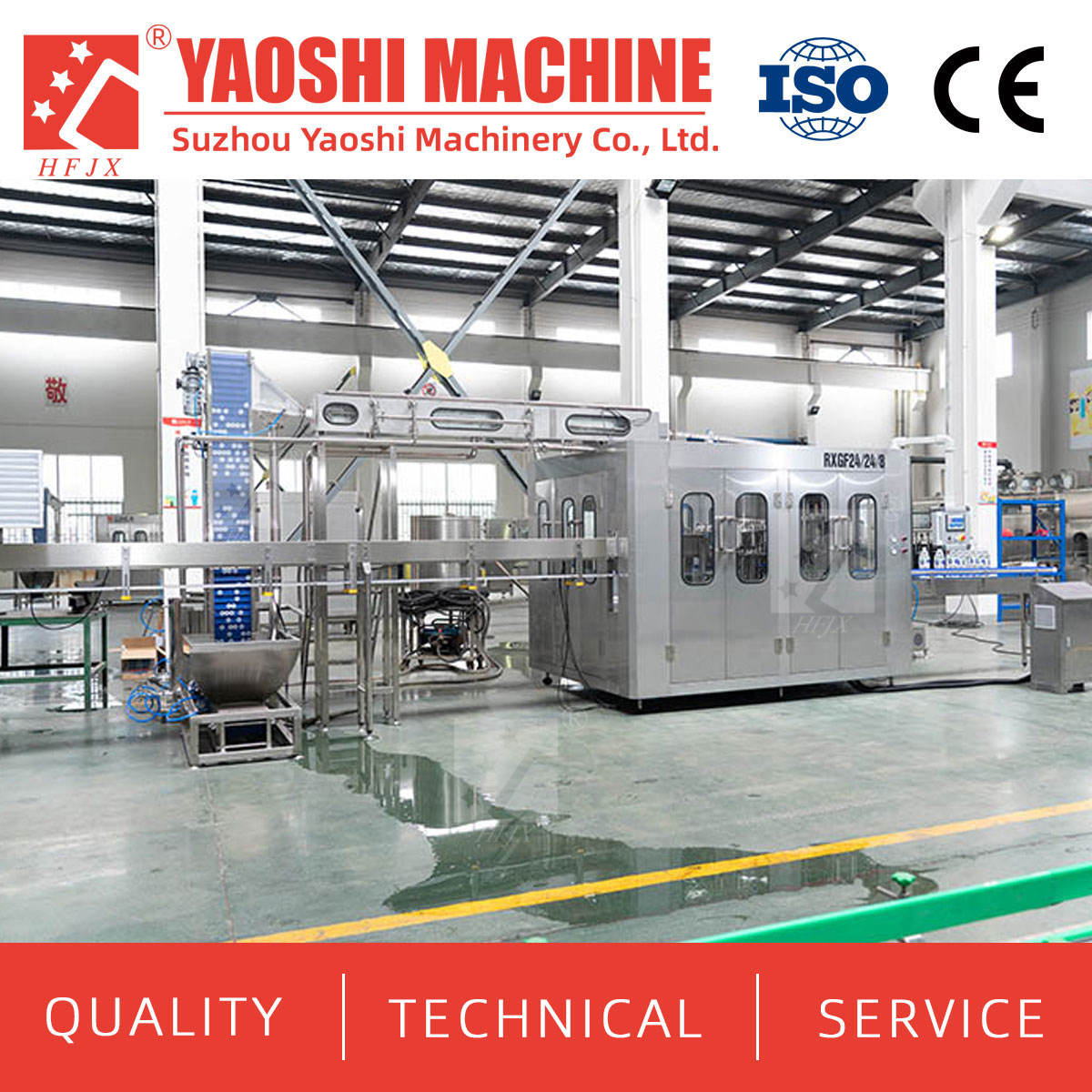
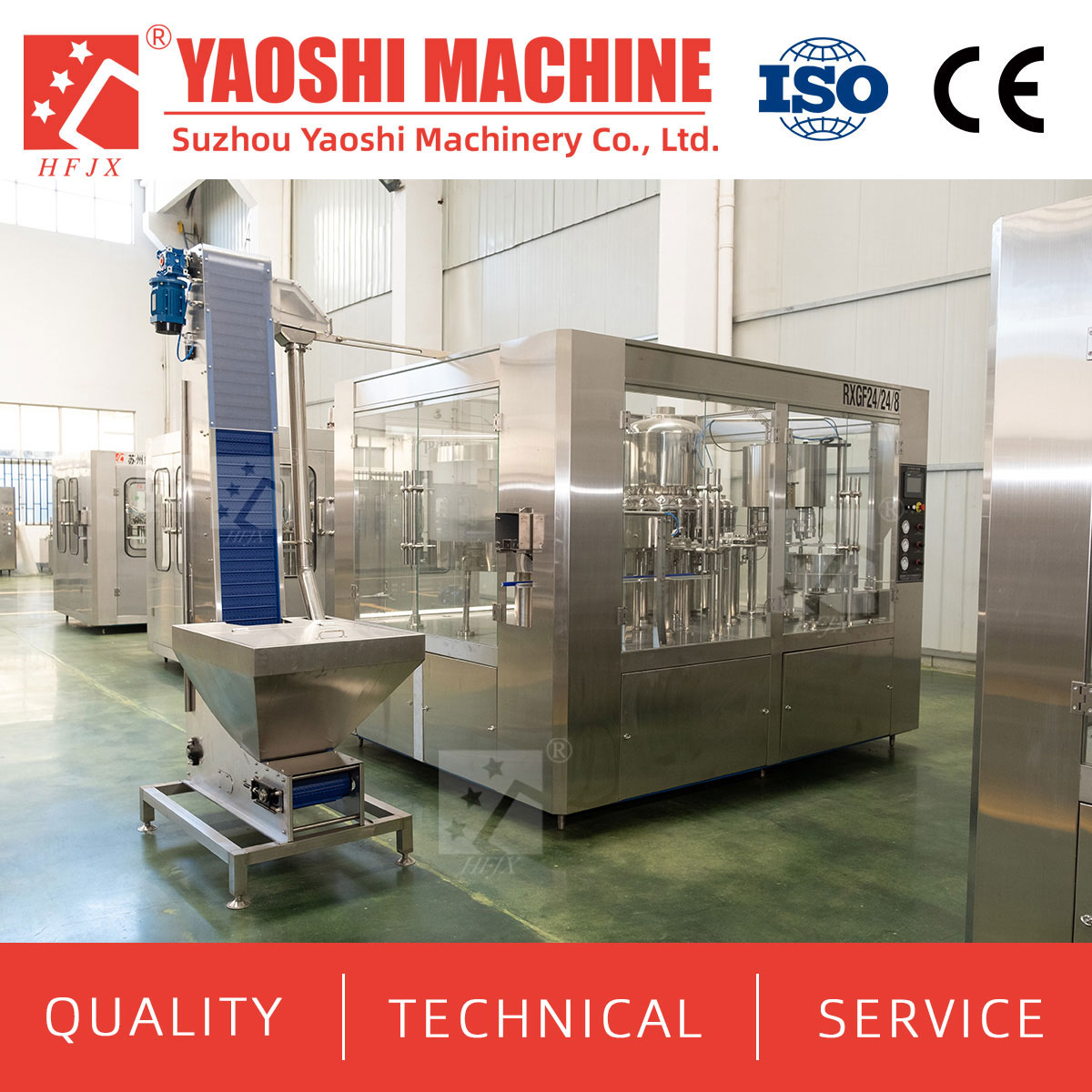
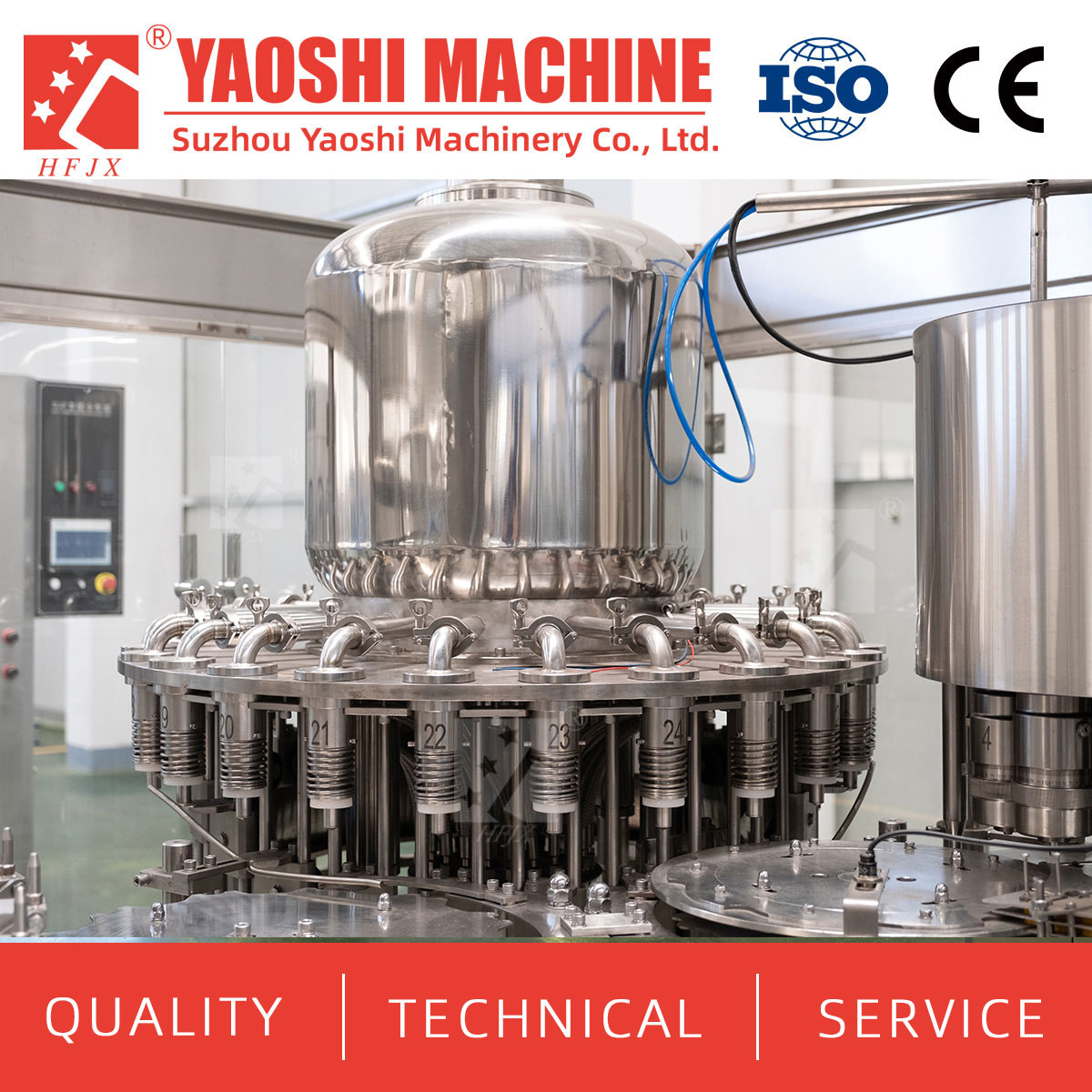
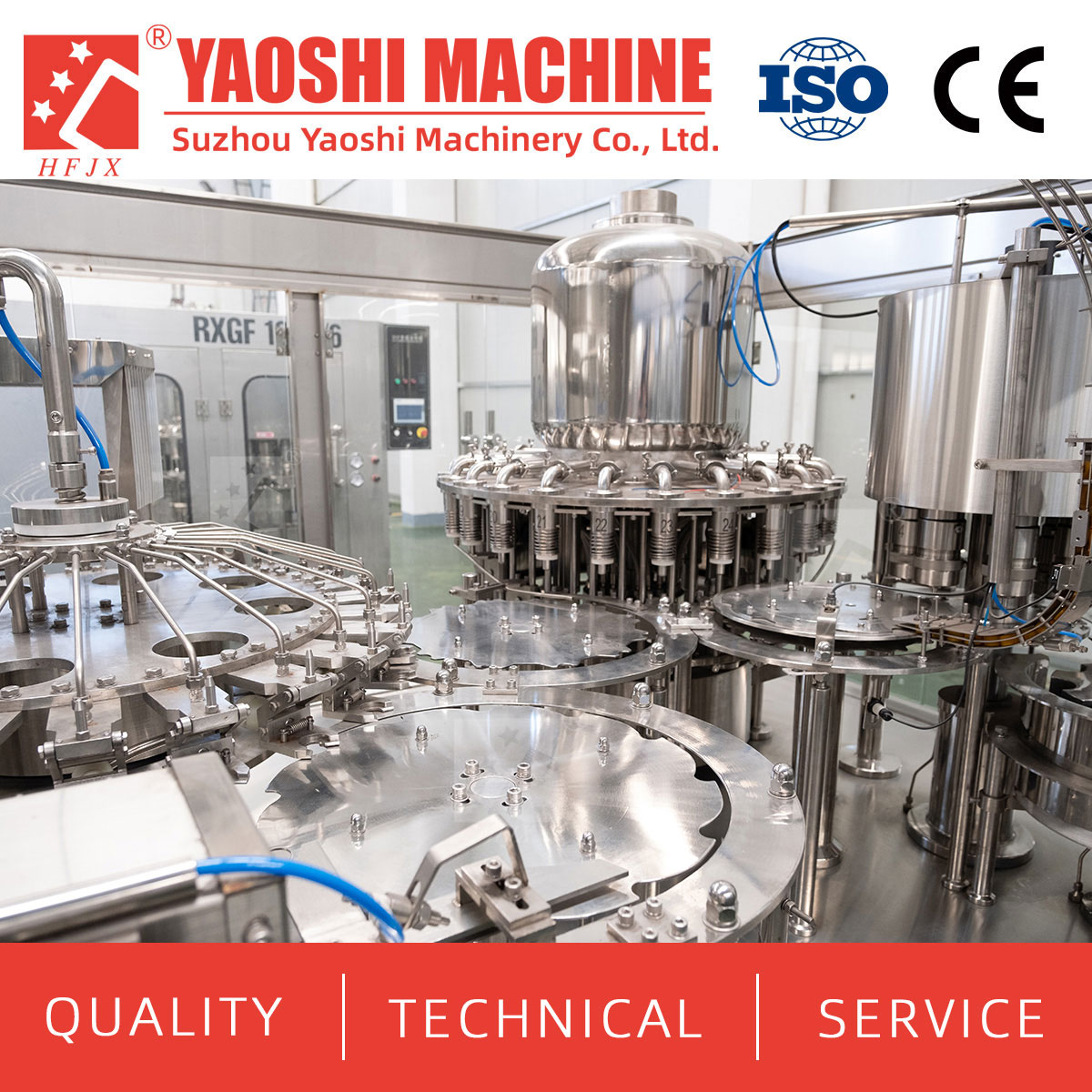
- Product Description
- Specifications
- More Details
- Related Products
Product Description
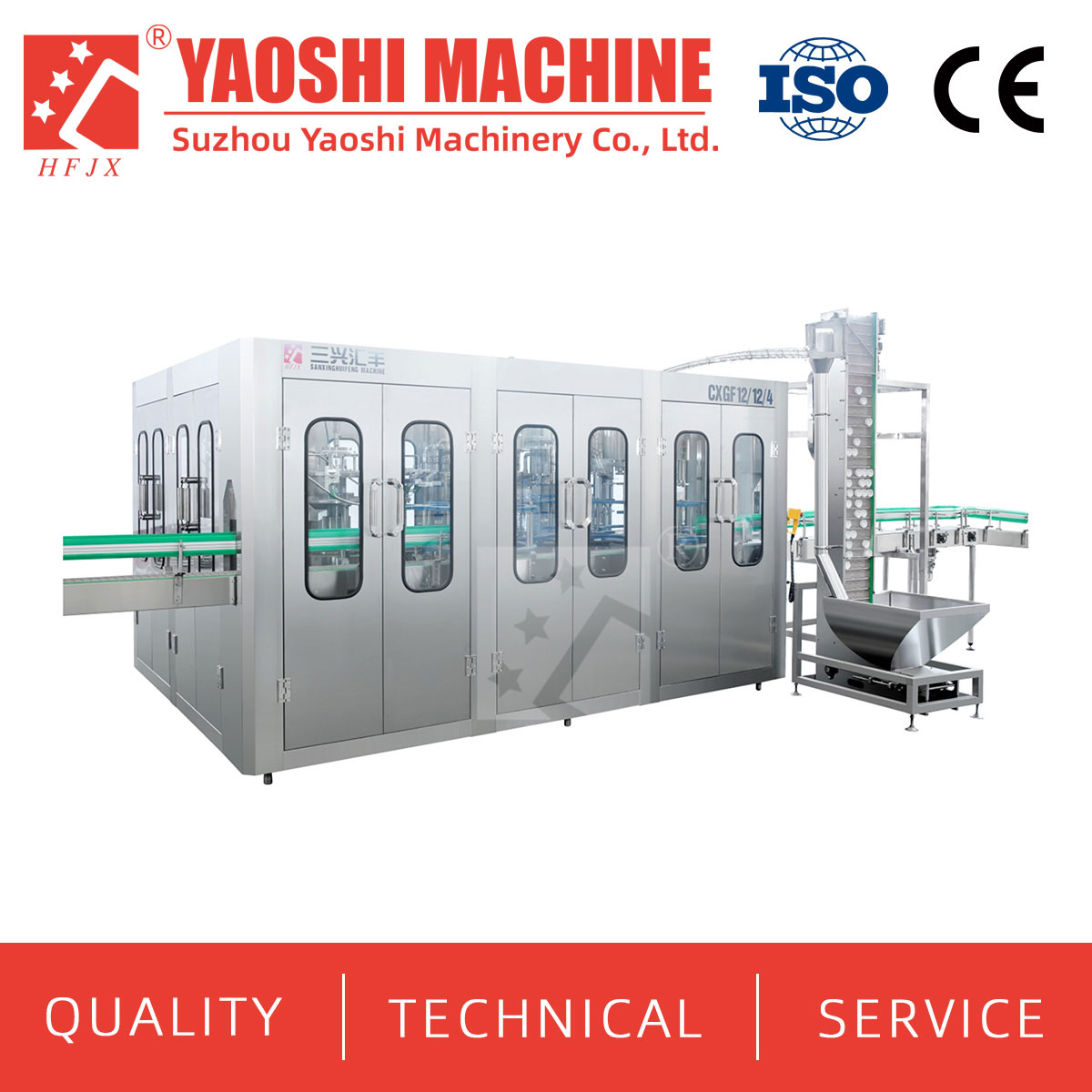
Juice and tea beverages require controlled processing conditions to maintain product quality during filling. The high temperature hot filling machine is designed to fill beverages at a controlled high temperature after thermal treatment, helping reduce the risk of contamination during the filling process and supporting product stability.
For hot-filled juice and tea beverages, the product can be maintained within a specified filling temperature range of approximately 85–95°C according to the production process. The filling operation is completed rapidly to minimize temperature loss. Full-mouth filling can also reduce the amount of residual air in the bottle, helping limit oxidation of the beverage.
The juice hot filling machine is equipped with an automatic circulation system to maintain suitable product conditions during operation. The circulation system also supports return-flow operation and works with CIP cleaning procedures for hygienic production.
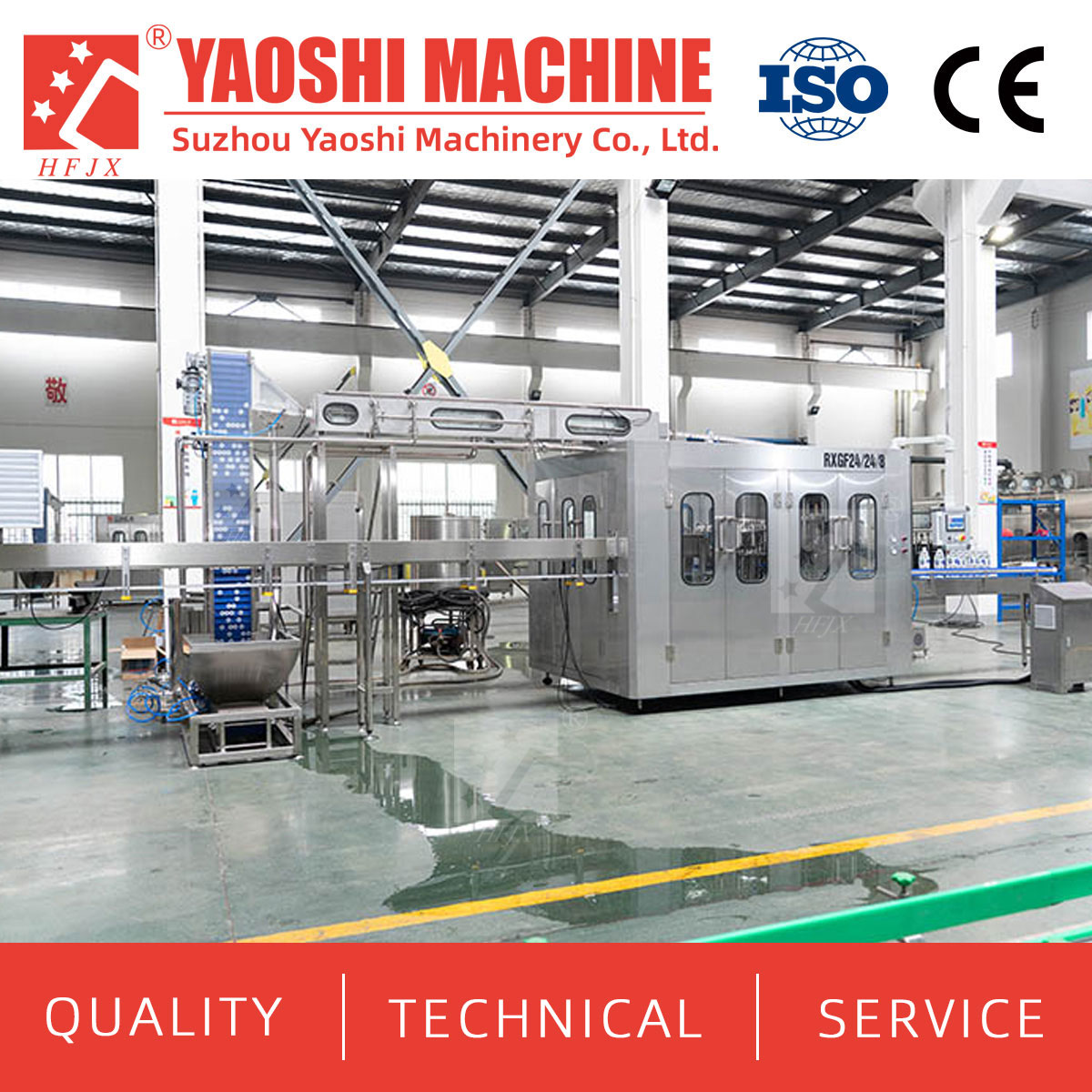
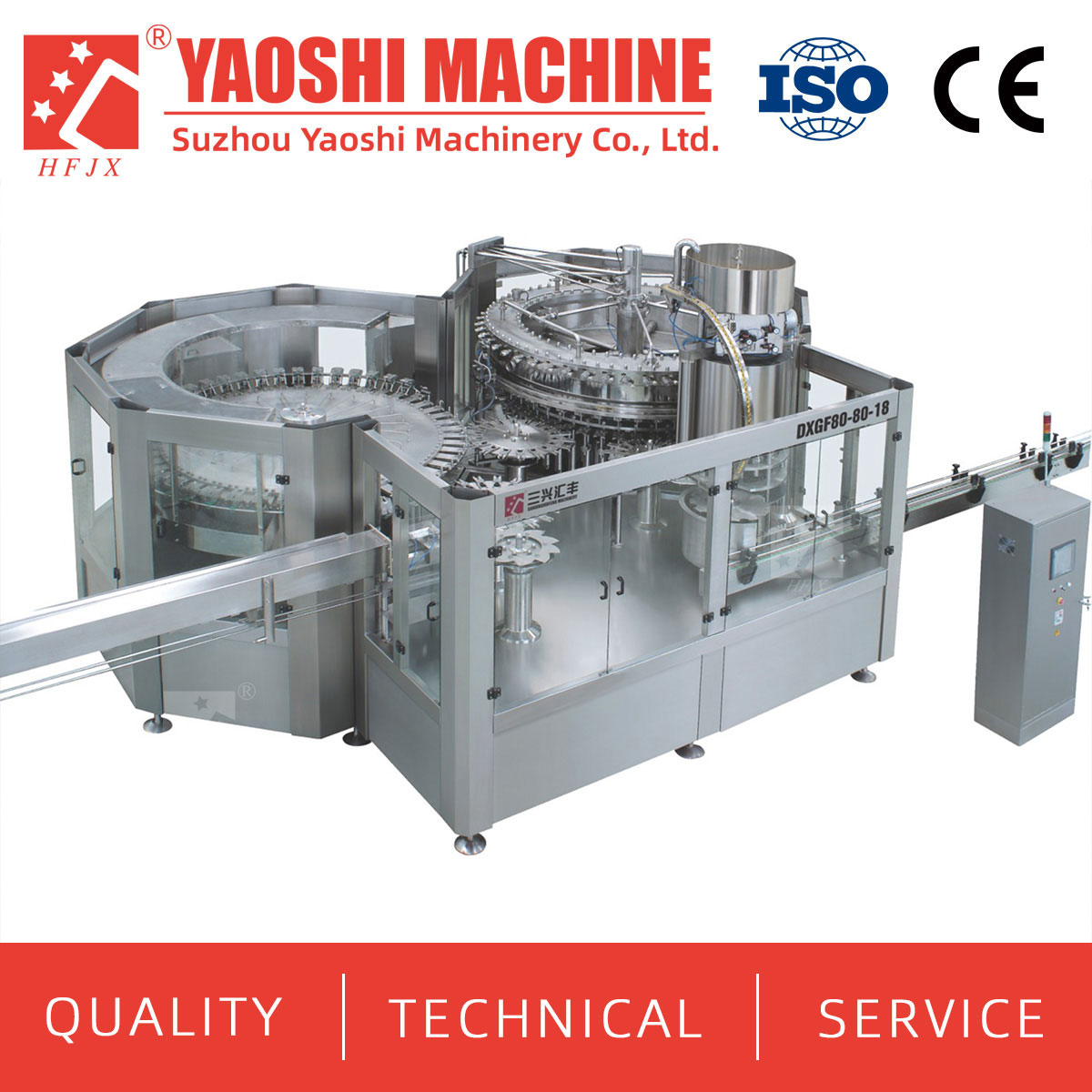
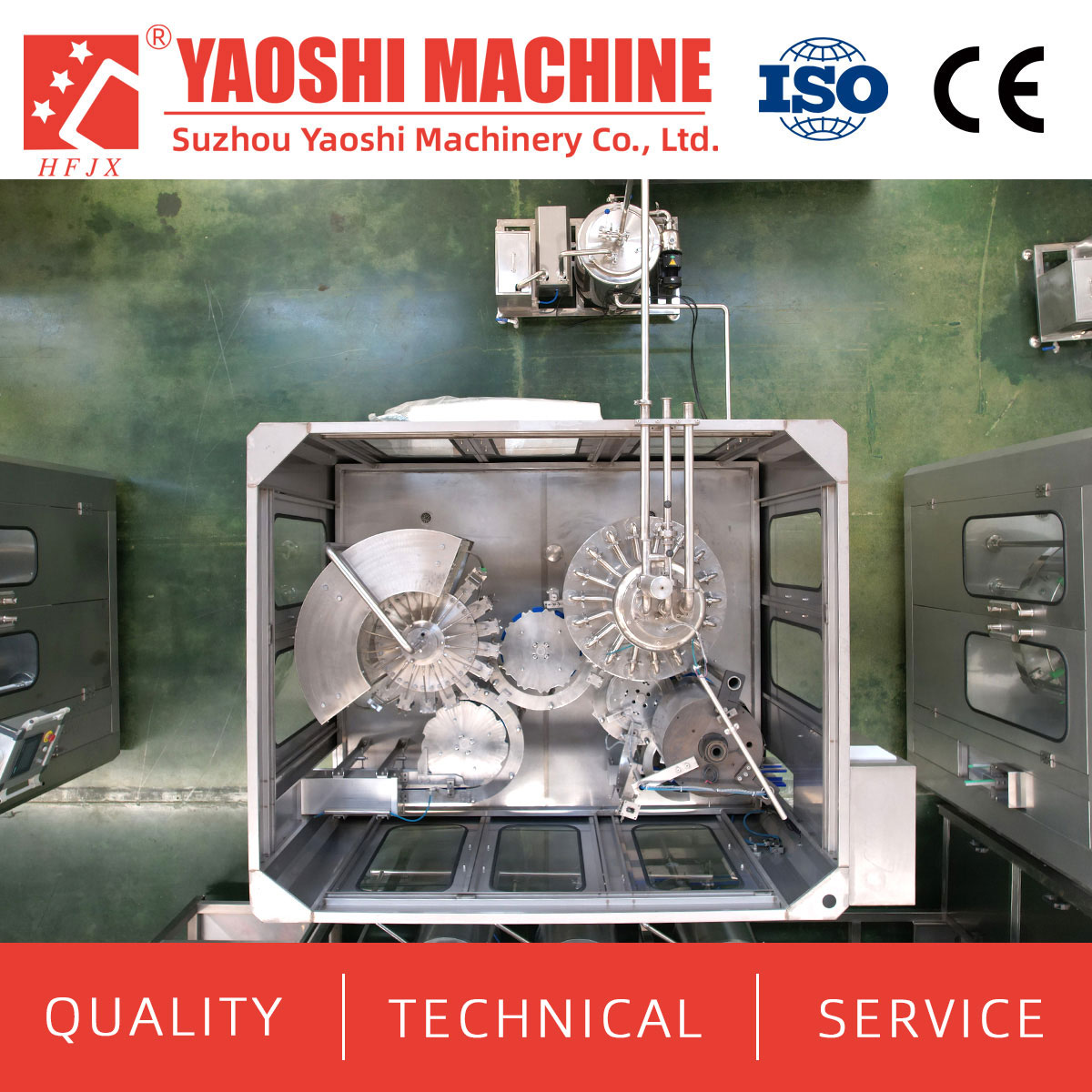
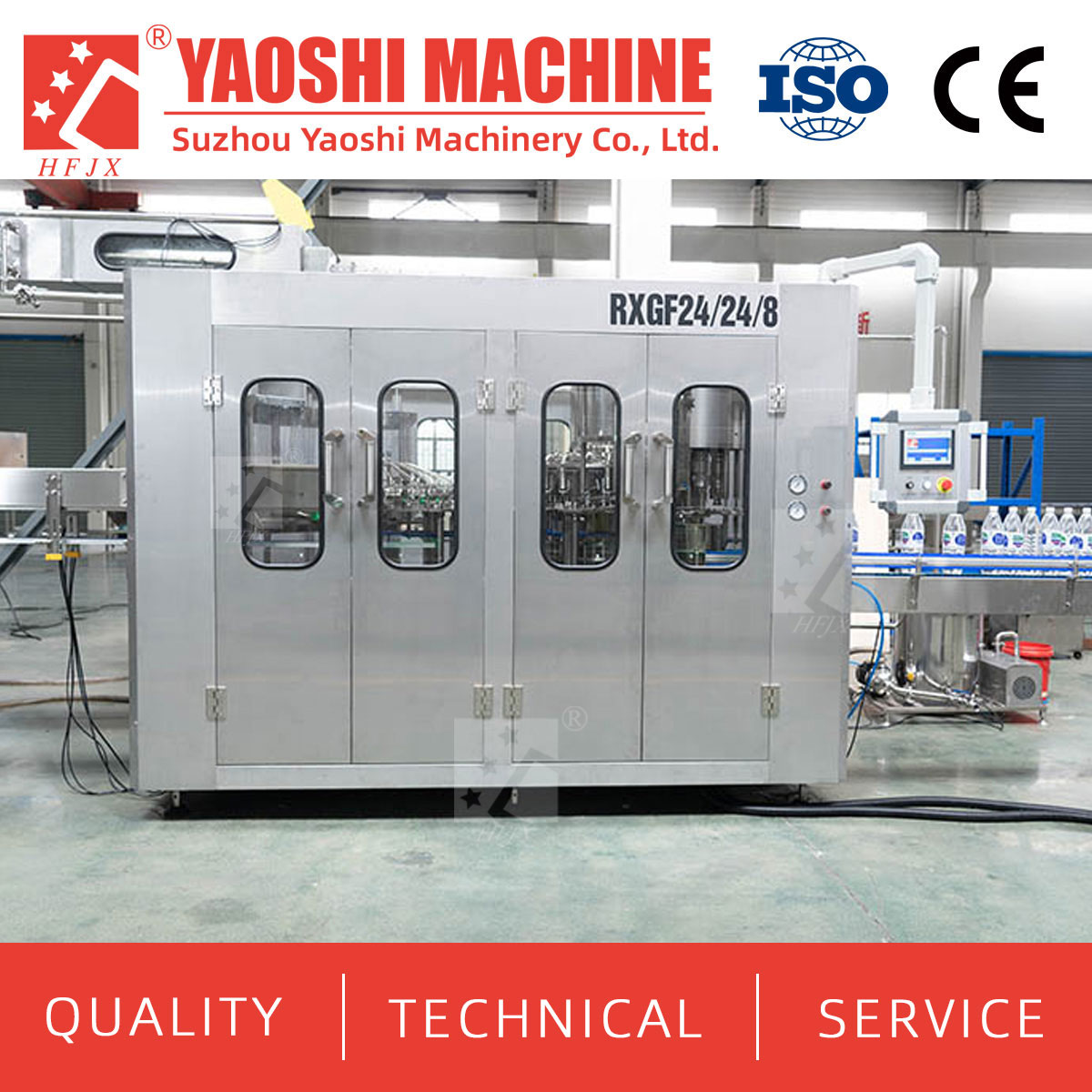
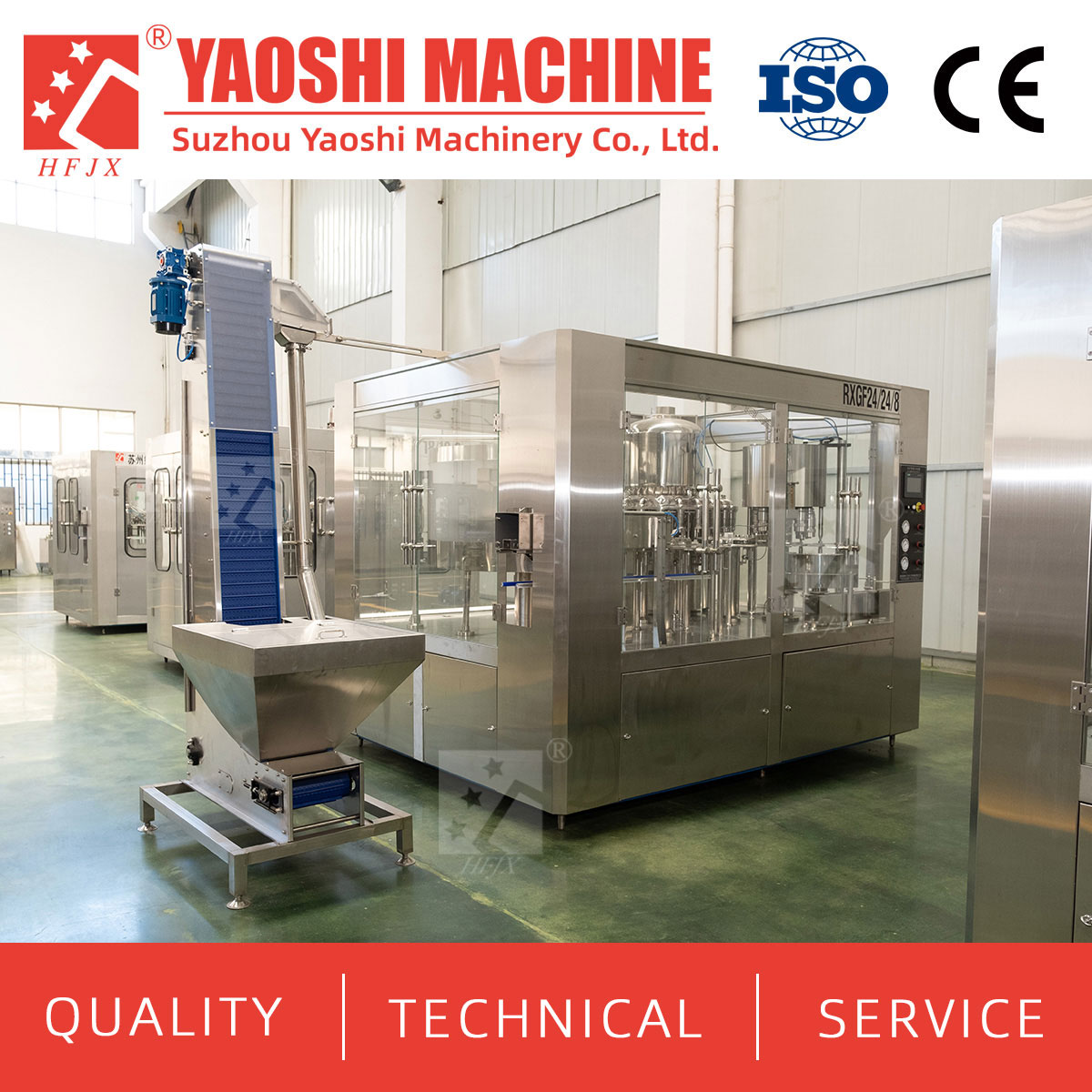
Yaoshi Machinery provides automatic beverage filling equipment with capacities from 2,000 to 24,000 BPH for the listed RCGF models, with larger production-line solutions available according to project requirements. The integrated filling machine combines bottle rinsing, juice or pulp filling, and capping in one machine, reducing the number of separate operations required on the filling line.
For manufacturers producing fruit juice, tea drinks, nectar, and other hot-fill beverages, this automatic hot filling machine can be integrated with upstream beverage processing equipment and downstream labeling and packaging systems.
Features
1. High-Temperature Filling for Juice and Tea Beverages
The machine is designed for hot filling juice and tea beverages that require controlled thermal processing and rapid filling. A stable filling temperature helps maintain the required production process and product quality.
2. Automatic Circulation System
The automatic circulation and return-flow system helps maintain product temperature and supports continuous operation. It is also suitable for production lines equipped with CIP cleaning systems.
3. Integrated Rinsing, Filling and Capping
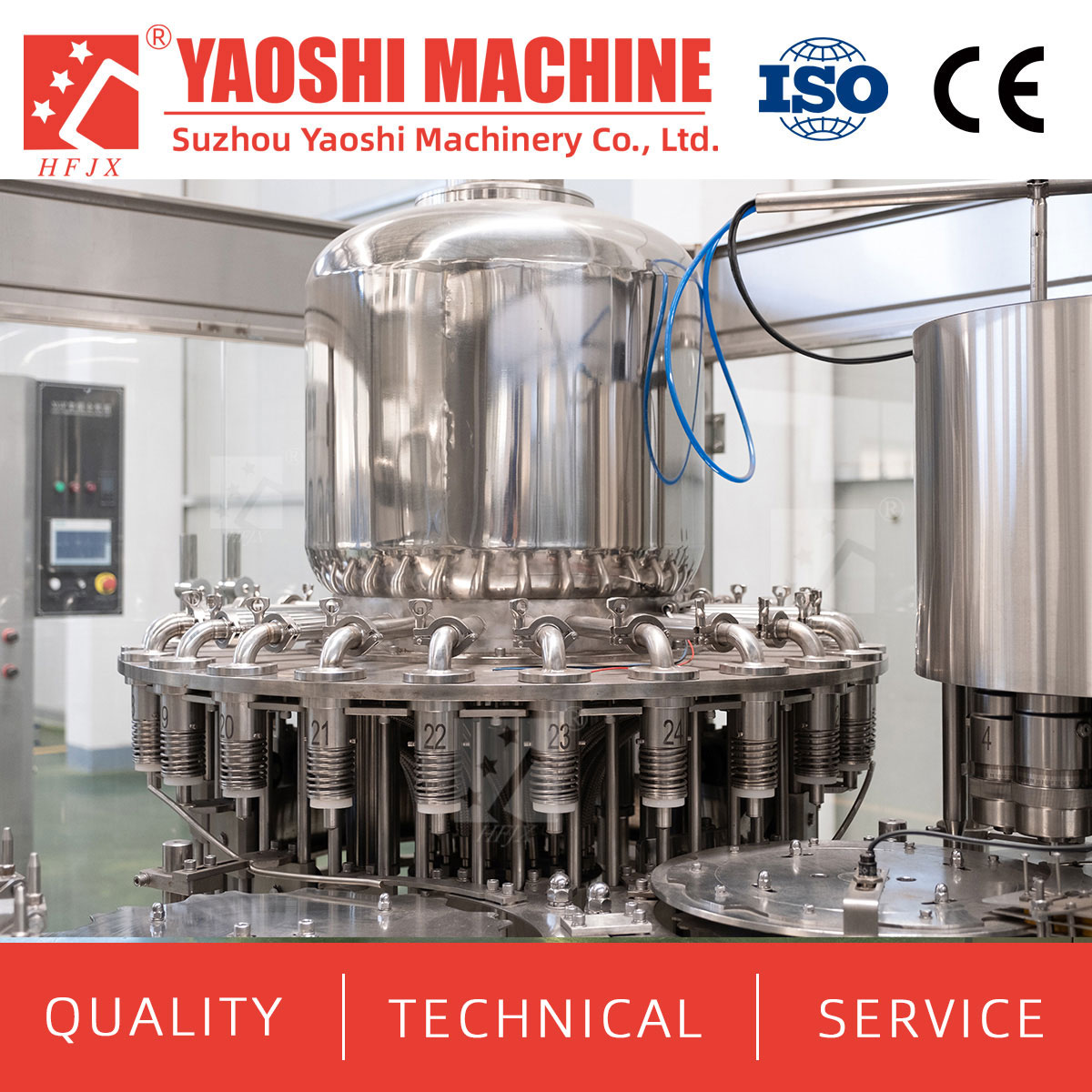
The integrated 3-in-1 juice filling machine combines bottle rinsing, beverage filling, and capping into one production unit. Depending on the product and machine configuration, the system can also support pulp-containing juice filling.
4. Full-Mouth Filling
The filling system can be configured for full-mouth filling, reducing residual air inside the bottle. This is particularly useful for juice and tea products where oxidation control is important.
5. Micro-Negative Pressure Filling
The machine uses micro-negative pressure filling technology to improve filling consistency, with the existing specification indicating a liquid-level accuracy of approximately ±1 mm.
6. Flexible Bottle Compatibility
The equipment can be configured for square or round PET and glass bottles. Adjustable components allow the filling system to accommodate different bottle formats within the specified range.
7. Food-Grade Stainless Steel Construction
Product-contact and machine components are designed with SUS 304 stainless steel to provide corrosion resistance and support hygienic beverage production.
8. PLC Control and User-Friendly Operation
The machine uses a PLC-controlled touchscreen interface for operation and adjustment. Siemens control components, frequency conversion, photoelectric sensors, proximity sensors, and pneumatic components are included in the listed configuration.
Specifications
Technical Parameter
| Material | Shape | Filling volume | Capability | Filling level | Neck type |
| Glass Bottle | Square or Round Bottle | 100-2000ml | 2000-24000bph | Distance from bottle neck According request | As request |
| PET Bottle | Square or Round Bottle | 100-2000ml | 2000-24000bph | Distance from bottle neck According request | As request |
| Project | Fruit juice Bottling Machine | |||||
| Model | RCGF | RCGF | RCGF | RCGF | RCGF | RCGF |
| 39663 | 41978 | 18-18-6 | 24-24-8 | 32-32-10 | 40-40-12 | |
| Capacity (BPH) | 3000 | 5000 | 8000 | 12000 | 18000 | 24000 |
| Applicable bottle | φ=50-115 H=160-330 (200ML TO 2000ML) round or square | |||||
| Air pressure | 0.3-0.7 | |||||
| (Mpa) | ||||||
| Power supply | 4.4 KW | 4.4KW | 4.4 KW | 5.2 KW | 6.2 KW | 7.8 KW |
| Overall dimension | 2300×1900×2300 | 2500×1900×2500 | 2800×2150×2500 | 3100×2500×2500 | 3800×2800×2500 | 4500×3300×2600 |
| Weight (KG) | 2500 | 3200 | 4000 | 4500 | 6000 | 8000 |
| Parameter | RXGF32-32-10 | RXGF40-40-12 |
|---|---|---|
| Washing Heads | 32 | 40 |
| Filling Heads | 32 | 40 |
| Capping Heads | 10 | 12 |
| Production Capacity | 15,000 B/H (500 ml) | 18,000 B/H (500 ml) |
| Motor Power | 5.5 kW | 7.5 kW |
Main configuration
| No | Name | Brand |
| 1 | Motor | China |
| 2 | Motor in cap sorter | China |
| 3 | Rinsing pump | Nanfang, Hangzhou |
| 4 | Magnetic valve | Airtac, Taiwan |
| 5 | Cylinder | Airtac, Taiwan |
| 6 | Air parts | Airtac, Taiwan |
| 7 | Frequency convertor | Siemens |
| 8 | Transformer | China |
| 9 | Photoelectric switch | AUTONICKS |
| 10 | Proximity switch | AUTONICKS |
| 11 | PLC | Siemens |
| 12 | Touch screen | Siemens |
| 13 | Pnuemtic parts | Airtac, Taiwan |
| 14 | AC contactor | Schneider |
| 15 | Microrelay | Schneider |
Juice beverage production Line Flow chart & layout
1. Bottle making system: PET preform → automatic feeder → hot air furnace → molding → bottle
2. Water purification system: water source tank → water source pump → quartz sand filter → activated carbon filter → ion softener → fine filter → reverse osmosis → ozone sterilizer → pure water tank
3. Juice beverage processing system: high shear emulsification tank plate heat exchanger → mixing tank → UHT sterilizer homogenizer buffer tank → hot water system hot water tank
4. CIP cleaning system
5. Filling and packaging system: tank body → washing, filling and spinning three-in-one → light inspection → fully automatic labeling machine → inkjet printer → fully automatic PE film packaging machine → final product
Hot Filling Process
The hot filling process normally combines beverage preparation, thermal treatment, filling, capping, bottle inversion, inspection, and cooling. For a typical fruit juice filling line, the main process can include:
Juice Preparation → Filtration → Homogenization → Blending → UHT Sterilization → Bottle Rinsing → Hot Filling → Capping → Bottle Inversion → Inspection → Cooling → Labeling → Packaging
The existing Yaoshi process specification lists UHT treatment at 130–135°C for 4–6 seconds, followed by hot filling and immediate capping according to the production process. After filling, the bottles can pass through a cooling tunnel, with the listed process targeting approximately 38±2°C after cooling.
This process structure is consistent with the general hot-filling workflow described by beverage filling equipment manufacturers, where heating or sterilization is followed by filling, sealing, and controlled cooling.
Juice beverage filling machine production process
1. Dilution: The thawed concentrated juice is diluted with purified water according to the formula requirements.
2. Filtration: Remove suspended solids and impurities in the juice, so that the diluted juice can be clear and transparent.
3. Homogenization: Homogenize the diluted juice to make the juice uniform and stable. Homogeneous pressure requirement: 20-25MPa.
4. Sugar dissolving and filtering: carried out in the sugar dissolving tank. Start the blender, add the right amount of water, and add the white sugar according to the formula. There are two ways to dissolve sugar, hot melt and cold melt, one of which can be selected according to the needs of the production process. Diatomaceous earth filtration is generally used for the filtration of sugar liquor. The dissolution and filtration of other auxiliary materials are basically the same as that of white sugar.
5. Blending: Pump the diluted juice, the dissolved and filtered sugar solution, and then dissolved and filtered auxiliary materials to the blending tank to mix them evenly and make the volume constant. Add flavors and (or) pigments according to the formula and mix well.
6. Filtration: Filter the mixed material and liquid through the filter barrel connected to the pipeline again to completely remove the possible suspension. To ensure the transparency, uniformity, and no precipitation of the product.
7. Washing: The bottle passes through the bottle washing machine to fully clean the dust and dirt that may exist in the bottle. In order to ensure the cleaning effect, the pure water pressure required for cleaning is not less than 0.4MPa. Bottle cleaning is often combined with filling and capping to form a “three-in-one” filling machine.
8. Sterilization: Pass the filtered material liquid through the UHT sterilizer to sterilize the material liquid. Sterilization conditions: 130-135°C, 4-6 seconds. When sterilizing, make sure that the steam pressure supplied to the sterilizer is not less than 0.8 MPa.
9. Pouring the bottle: Pass the hot-filled product through the bottle-inverting machine immediately, turn the bottle upside down, and let the residual temperature of the material liquid after filling sterilize the bottle and the cap to ensure the quality of the product.
10. Filling and capping: There are mainly two methods of aseptic cold filling and aseptic hot filling. In order to ensure the quality of fruit juice beverages, aseptic hot filling is often used. The requirements: the temperature during filling should not be lower than 90℃, and the temperature in the bottle after filling should not be lower than 85℃. It must be capped immediately after filling. When capping, adjust the proper torque of the capping head to ensure a tight seal. “Three-in-one” hot-filling machine for bottle washing, filling and capping.
11. Light inspection: Let the product pass through the light inspection machine to check whether the bottle has dirt, impurities, whether the bottle seal is complete, etc., to ensure that the qualified product enters the next step.
12. Cooling: Let the product pass through the cooling tunnel to make the temperature of the product drop to (38±2)℃ quickly. More damage. Less investment in hot-filling equipment.
Applications
The juice beverage filling machine is suitable for commercial production lines handling a range of non-carbonated hot-fill beverages, including:
Fruit Juice
Suitable for filling processed fruit juice and juice beverages into PET or glass bottles. The filling system can be configured for products with different filling volumes and bottle formats.
Tea Beverages
The tea filling machine is suitable for hot-filled tea beverages where controlled filling temperature and rapid capping are required.
Pulpy Juice
The integrated system can be configured for pulp juice filling, helping combine rinsing, pulp or juice filling, and capping within one machine.
Other Hot-Fill Beverages
The equipment can also be evaluated for other non-carbonated beverages that require hot filling. Final machine configuration should be selected according to product viscosity, particles, filling temperature, bottle material, bottle size, and required output.
Beverage Production Line Integration
The hot filling machine for juice can be integrated into a complete beverage production line. A typical line may include:
Water Treatment System → Juice Processing System → UHT Sterilizer → Homogenizer → Buffer Tank → CIP System → Bottle Rinsing/Filling/Capping → Light Inspection → Labeling → Coding → Film Packaging
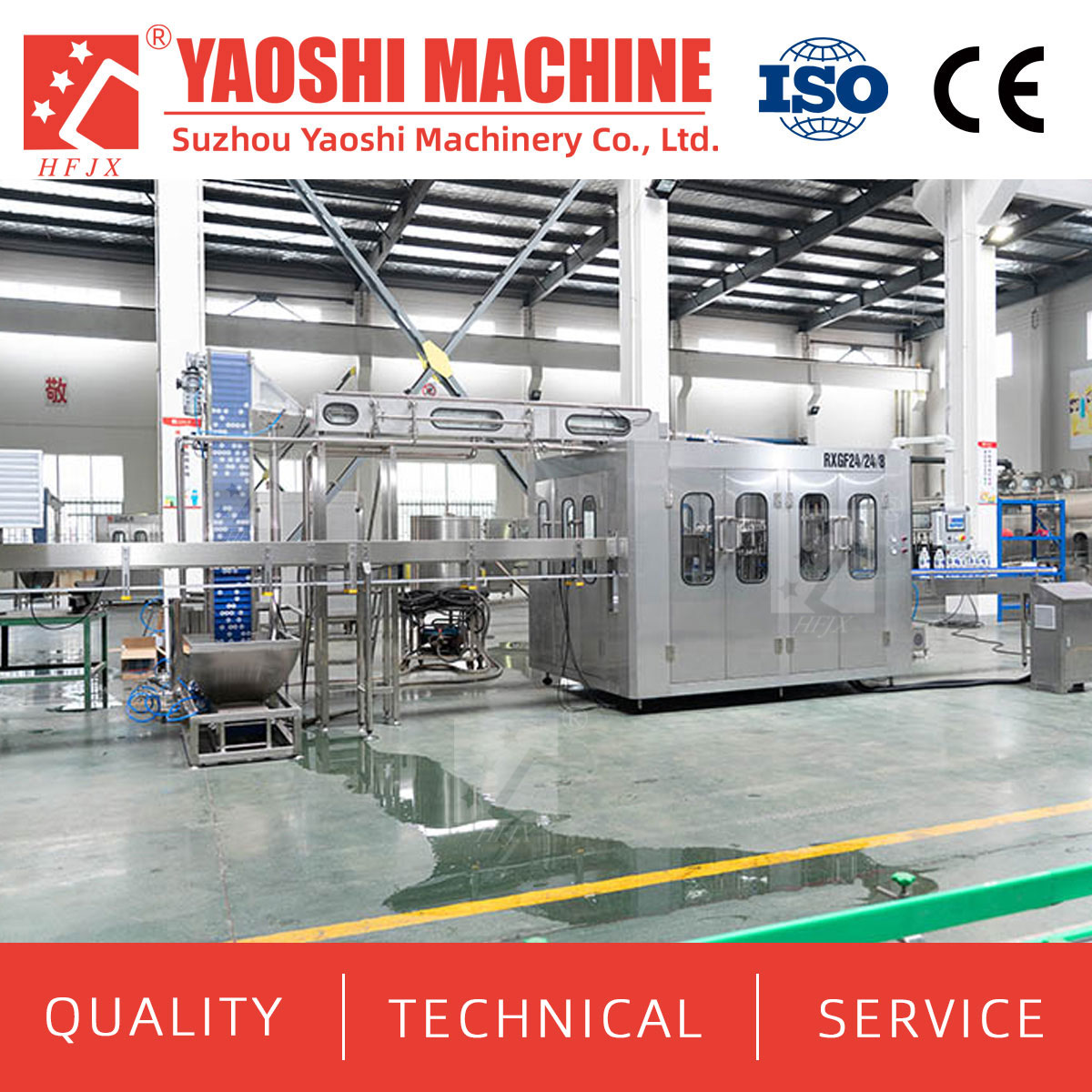
Yaoshi's existing production-line structure also includes PET bottle blowing, water purification, beverage processing, CIP cleaning, filling and packaging equipment, allowing the hot filling machine to function as part of a complete juice production line rather than as a standalone filler.
How to Choose a Hot Filling Machine
When selecting a hot filling machine, manufacturers should consider the beverage characteristics, required production capacity, bottle material, bottle dimensions, filling temperature, and production-line configuration.
For juice and tea projects, product viscosity and whether the beverage contains pulp or suspended particles can affect the filling-system configuration. Bottle size and neck design also influence the machine configuration and filling format. Production capacity should be selected according to actual output requirements to avoid creating a bottleneck in the complete beverage line.
These factors are also commonly used by other hot-filling equipment manufacturers when selecting filling technology and machine configurations.
FAQ
1. What is a hot filling machine used for?
A hot filling machine is used to fill liquid products at a controlled high temperature after thermal treatment. It is commonly used for hot-filled beverages such as fruit juice and tea drinks.
2. What products can be filled by this juice filling machine?
The machine is mainly designed for fruit juice, tea beverages, and other suitable non-carbonated hot-fill liquids. The configuration can also be evaluated for pulpy juice depending on product characteristics.
3. What is the capacity of the 18000BPH model?
The 18,000 BPH model is the RCGF 32-32-10 juice filling machine, with a listed capacity of 18,000 bottles per hour.
4. Can the machine fill PET bottles and glass bottles?
Yes. The current specification supports both PET and glass bottles in round or square formats. Bottle dimensions are listed at approximately 100–2000 ml filling volume, with a bottle diameter of φ50–115 mm and height of 160–330 mm.
5. Can this machine fill pulpy juice?
Yes. Yaoshi states that its integrated filling equipment can be used for pulpy juice or juice products requiring hot filling. The actual filling configuration should be confirmed according to the pulp size, concentration, viscosity, and product formula.
About Suzhou Yaoshi Machinery Co., Ltd.'s factory

After Sales Service
1. Installation and commissioning: We will arrange experienced technicians to carry out commissioning and trial production, and at the same time make the equipment reach the rated production capacity of the production line.
2. Training: Our company provides technical training for customers. The training content includes equipment structure and maintenance, equipment control and operation. After the training, the buyer’s technicians can master the operation and maintenance, can adjust the process and deal with various faults.
3. We can send you a video of the machine running. You are welcome to visit our factory and see the machine running. Third-party testing agencies are also accepted for inspection.
4. We can design the machine according to your requirements, and at the same time we will give you our professional advice, as you know, we have been in this industry for 30+ years.
5. Well-trained and experienced staff will answer all your inquiries in English and Chinese
6. 12-month warranty and lifetime technical support.
7. Provide good after-sales service, if you have any questions, please contact us. Provide after-sales service, if you have any questions, please contact us.
More Details
RXGF24-24-8-3
RXGF24-24-8-2
RXGF24-24-8-5
RXGF24-24-8-4
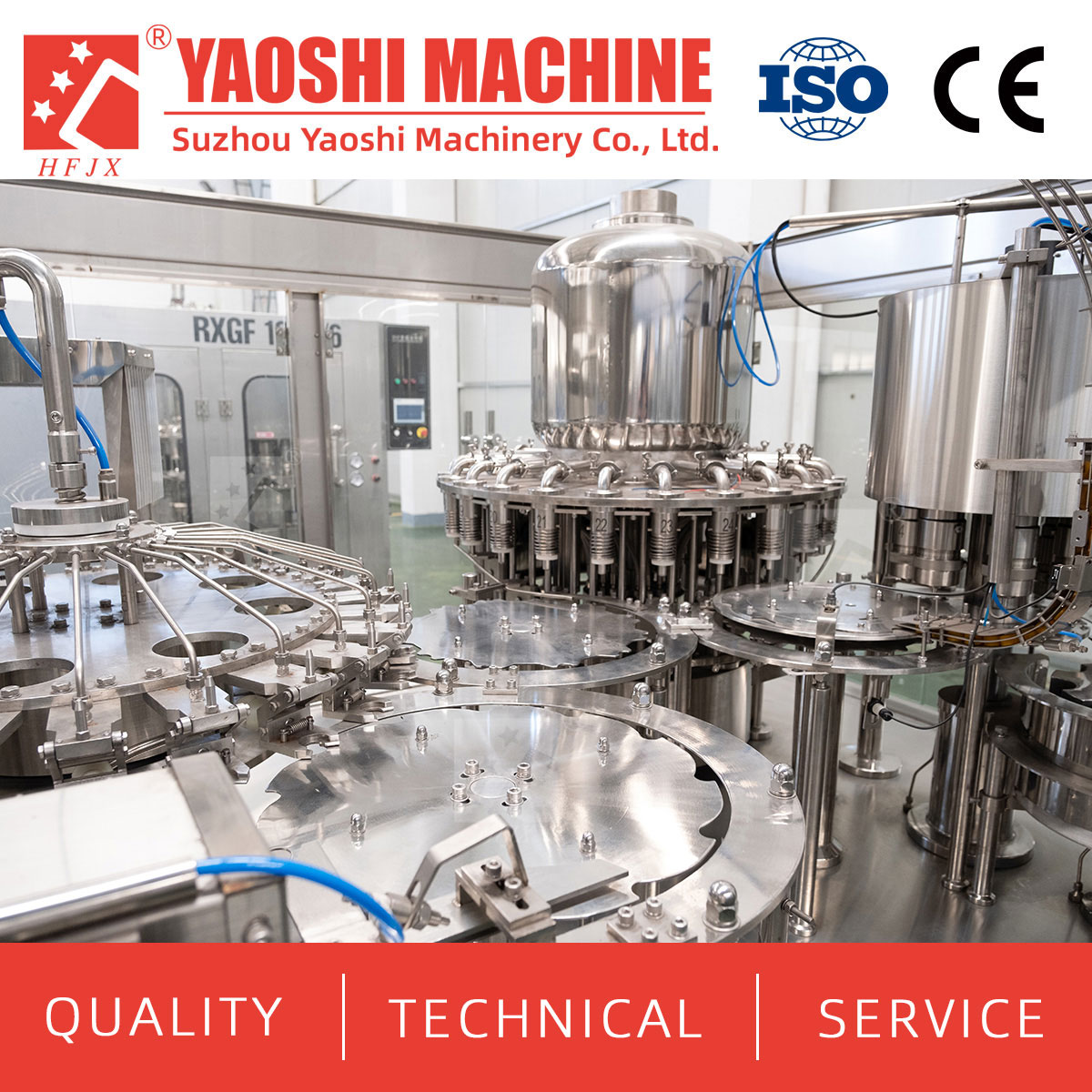
RXGF24-24-8-6
-
Q: Are you a trading company or a manufacturer?

A: We are a direct-operated factory located in Zhangjiagang City so we can provide you with high-quality machines at a reasonable price, welcome to visit us.
-
Q: Are all your products produced by yourself or compressed by purchasing other products?
A: We have independent R&D and production teams focusing on manufacturing machines, and we have our own processing center, and all products are manufactured by our technical team.
-
Q: What is the capacity of your factory?
A: About 100+ production lines per year.
-
Q: How about spare parts?
A: We will send one year’s worth of easily damaged spare parts with the machine and ship them together. During the warranty period, we will provide spare parts at a cost including freight.
-
Q: How long does it take to install?
A: According to your machine order, we will send one or two engineers to your factory, which takes about 10 days to 25 days.
-
Q: How to install the machine after it arrives?
A: We will send engineers to your factory to install the machine and train your employees how to operate the machine.
-
Q: When can I get the machine after payment?
A: Usually the production time is about 30-60 days, depending on the type of machine you ordered. The shipping time is subject to your port of destination.
-
Q: If we buy your machine, what is your guarantee or warranty on the quality?
A: We provide you with high-quality machines with a 1-year warranty and lifetime technical support.