A juice line can be difficult to correct when the filling machine is selected before the preservation process. A bottle chosen for a low-temperature filling project may not suit hot filling. A factory may purchase aseptic equipment without having the operating procedures, sterile-zone controls or packaging treatment needed to run the system. In both cases, the problem begins before equipment selection.
Hot-fill and aseptic systems can both be used for suitable juice and tea products, but they manage product treatment and packaging in different ways. The decision affects beverage preparation, the juice filling machine, bottle and cap selection, cleaning, line layout and daily production control. The right starting point is the product and its validated preservation process.
Before comparing fillers, define what happens to the juice before it reaches the filling valve. Formula, acidity, pulp, viscosity, heat-sensitive ingredients and target shelf life influence the processing method. The project also needs a clear distribution plan: a product intended for ambient storage has different process requirements from one kept refrigerated.
A beverage processing system may include mixing, filtration, heating, holding and other product-specific stages. The final process should be established by the product owner and qualified technical authority. Equipment selection then follows that process instead of attempting to create a shelf-life result from the filler alone.

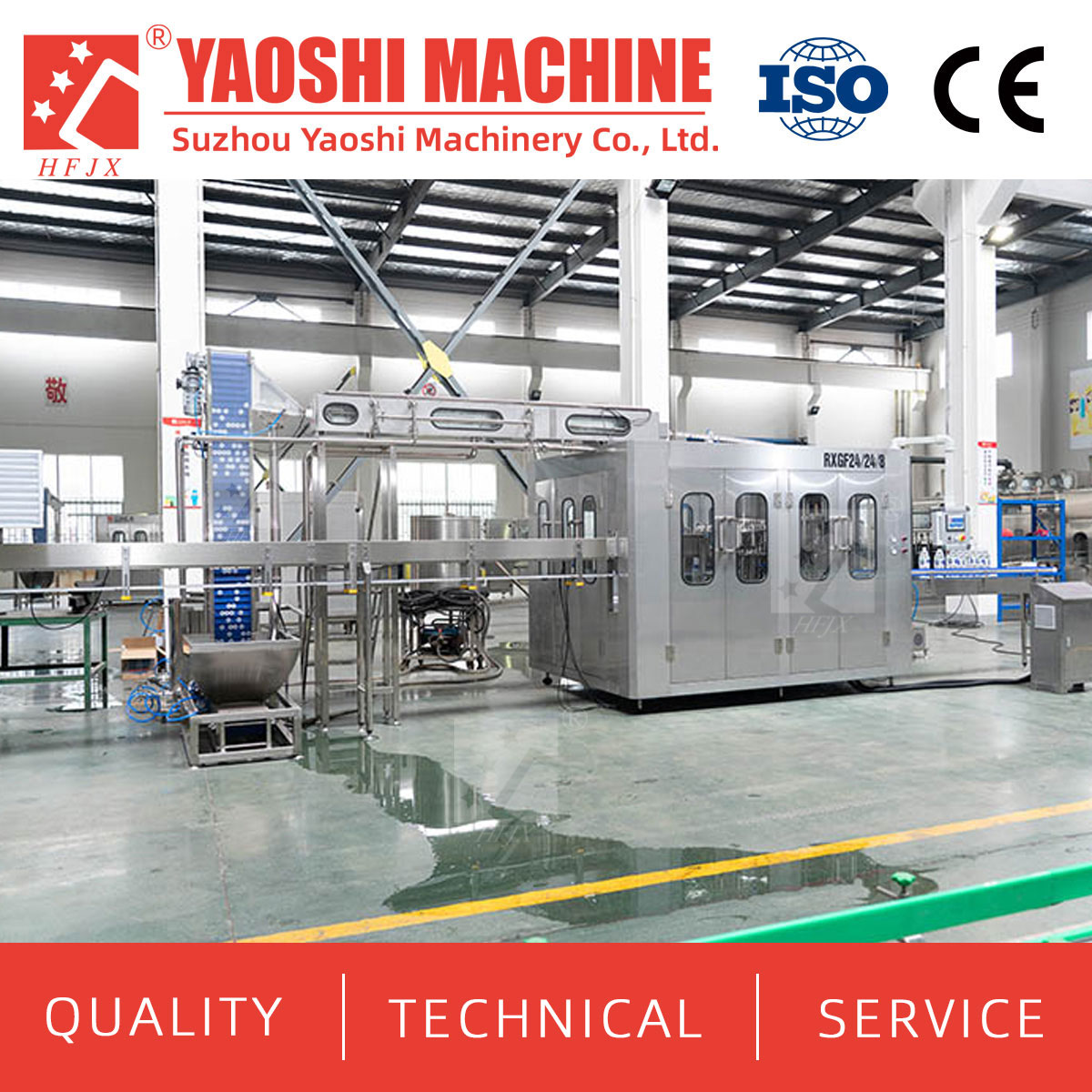
Juice processing equipment prepares the product before it reaches the filling section.
In a hot-fill system, the juice receives the required thermal treatment and is transferred to the filler under the validated filling conditions. The bottle is filled and capped, followed by any required closure-contact or holding step. The filled container then moves through controlled cooling before labeling and packing.
The product, filling temperature, bottle and closure form one process. A temperature suitable for one juice should not be copied to another formula. Pulp, sugar, acidity and other ingredients can change product behavior during heating and filling. The process must also account for the time between treatment, filling, closing and cooling.
A hot-fill machine can combine rinsing, filling and capping in a 3-in-1 arrangement. That monoblock is only one part of the line. Product preparation, heat treatment, bottle handling, cooling, conveying, labeling and secondary packaging must be included or clearly assigned to existing equipment.
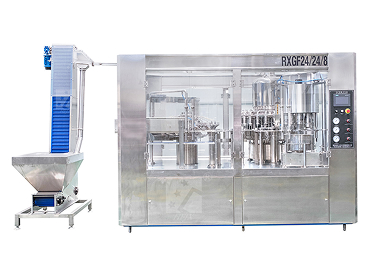
A hot filling machine connects bottle handling, filling and capping for a validated juice process.
Aseptic filling separates product sterilization from filling into the final package. The product is processed, transferred through a controlled system and filled into packaging that has received the required treatment. Equipment downstream of product sterilization, the filler, package and closure handling, and the filling environment all belong to the aseptic boundary.
This makes an aseptic filling line more than a filler operating at a lower temperature. The system requires defined start-up, cleaning, sterilization, monitoring and response procedures. If sterile conditions are lost, affected production must be handled according to the validated process, and the system may need cleaning and re-sterilization before restarting.
Aseptic processing may be considered when the product and commercial plan justify its packaging and quality objectives. It should not be selected only because it appears to be a newer technology. The factory must be able to operate, monitor and maintain the complete sterile system.
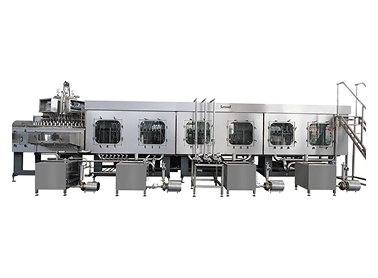
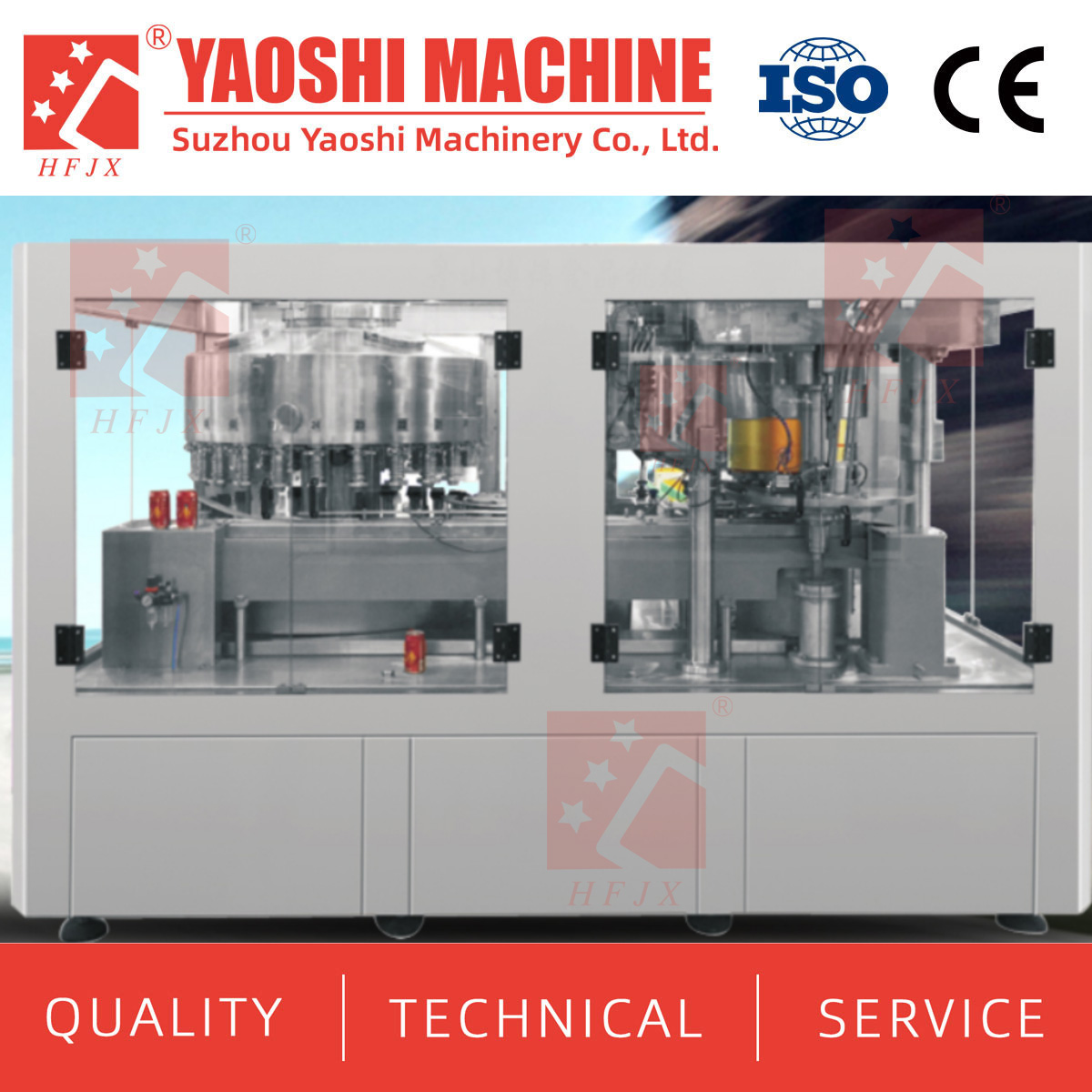
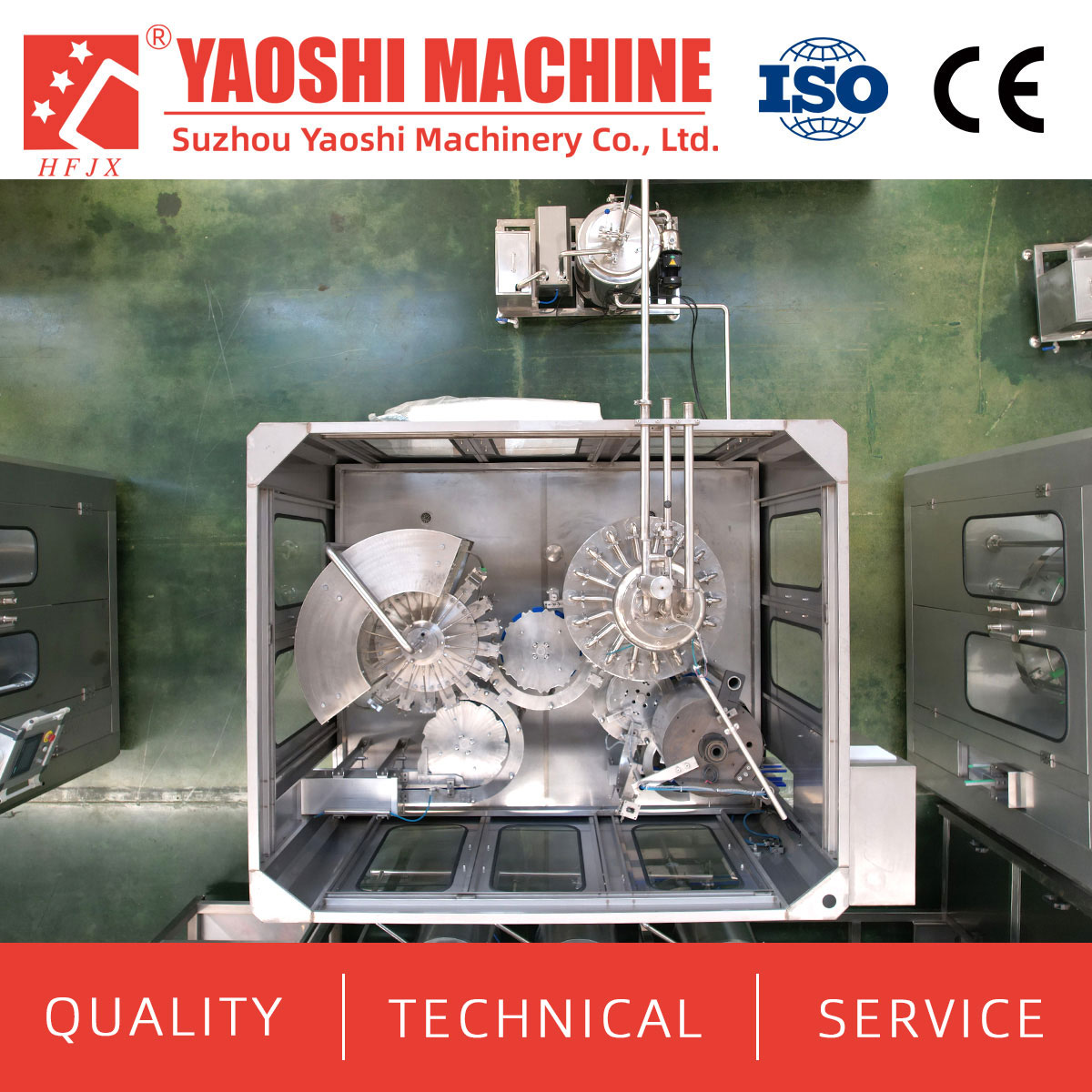
Ultra-clean and aseptic equipment requires a clearly defined hygiene and process boundary.
| Decision Point | Hot-Fill System | Aseptic Filling System |
|---|---|---|
| Basic process | Thermally treated product is filled under validated hot-fill conditions | Sterilized product is transferred and filled under controlled aseptic conditions |
| Packaging | Container and closure must tolerate the filling, holding and cooling process | Package and closure must suit the selected aseptic treatment and filling system |
| Filling environment | Requires controlled hygienic production appropriate to the validated hot-fill process | Requires a defined sterile boundary around product transfer and packaging |
| Line modules | Product treatment, hot filling, capping, required holding and cooling | Product sterilization, sterile transfer, package treatment, aseptic filling and closing |
| Operating demands | Temperature, timing, closure and cooling must be controlled | Sterility, monitoring, process records and restart procedures require tighter management |
| Changeover | Depends on product, bottle, cap and cleaning requirements | Must also account for sterile-zone preparation and re-establishment |
| Project scope | Often has a more direct processing and packaging boundary | Normally covers a broader sterile processing and packaging system |
This comparison is a screening tool rather than a final specification. A hot-fill project can still require detailed process control, and an aseptic project does not automatically deliver a better product. The result depends on the formula, selected process, package and operation of the line.
Two products sold as fruit juice may have different acidity, sugar, stabilizers and other ingredients. These factors affect microbial risk, heat transfer and the required preservation process. The equipment supplier needs the product data, but the validated process must come from the responsible product and food-safety specialists.
Pulp size and content can affect pumps, heat exchangers, filling valves and cleaning. Higher viscosity can also change product transfer and filling behavior. The presence of pulp does not by itself select hot-fill or aseptic filling. It identifies additional details that must be checked across the processing and filling system.
Some projects place greater emphasis on color, flavor or heat-sensitive ingredients. An aseptic process may be evaluated when the commercial objective requires a different pattern of heat exposure and a lower package-filling temperature. The expected sensory result should be confirmed through product trials and process validation rather than promised by the equipment name.
A shelf-life target is not a filler specification. It depends on product formulation, microbial controls, thermal or sterilization process, package integrity, storage and distribution. The project should state whether the product will be sold at ambient temperature or under refrigeration and in which markets.
Hot-fill packaging must tolerate the filling and cooling process. For a PET bottle project, bottle design and material behavior under the intended conditions need to be confirmed. Glass bottles may suit some products, but temperature change, bottle handling, neck finish and closure still require evaluation.
An aseptic project uses packaging compatible with the selected package-treatment and filling system. Switching to aseptic filling does not mean that any lightweight bottle can be used without review. The bottle, cap, treatment method and sterile transfer into the filler must form one packaging plan.
Packaging should therefore be selected with the process, not after it. A late bottle change can alter conveyors, filling settings, cap handling, cooling requirements or package treatment. Provide drawings and samples for every proposed bottle and cap combination.
Yaos Machinery's juice solution range includes hot-fill, ultra-clean and aseptic options. Ultra-clean filling should not be used as another name for aseptic filling. The terms describe different hygiene and process expectations, and the exact boundary must be stated in the technical proposal.
When an ultra-clean system is considered, ask how the product is treated, how the package and closure are prepared, which parts of the line are controlled, and what cleaning and sanitation procedures apply. The supplier should also state the intended product and package conditions. Without these details, the label “ultra-clean” is not enough to compare two quotations.
Hot-fill is a practical starting point when the product and shelf-life process are suitable, the selected bottle can tolerate the process, and the factory wants a relatively direct line from thermal treatment through filling and cooling. It can suit established juice and tea applications where the production team understands temperature control, cap application and cooling.
It may also be easier to manage for a factory that does not have experience operating a sterile packaging zone. This is not permission to simplify food-safety controls. The hot-fill process still needs validation, monitoring and consistent operation.
Aseptic filling should be evaluated when the product, target package and commercial requirements justify a sterile processing and packaging system. Projects concerned with package-filling temperature or particular product quality objectives may include it in the feasibility study.
The factory must also assess its ability to manage sterile operation. Staff procedures, process records, maintenance, cleaning, re-sterilization and response to deviations are part of the investment. Purchasing the filler without preparing these operating systems leaves a major project gap.
A useful proposal does not need a long marketing brief, but it does require clear technical inputs:
Juice or tea type, formula and relevant product characteristics
Acidity, pulp, viscosity and heat-sensitive ingredients where applicable
Target shelf life and ambient or refrigerated distribution
Existing or proposed preservation process
Bottle material, volume, dimensions, neck and cap
Target output for each bottle size
Required product preparation, filling, cooling and packaging scope
Factory layout, utilities and current equipment
Production team's experience with the proposed process
These details allow the supplier to separate the filling machine from the wider processing and packaging system. They also make it easier to compare quotations on the same scope.
The machine is then expected to solve product and shelf-life questions that belong to the process design. Confirm the product route first.
Process conditions depend on the formula and validated treatment. A value taken from another product page is not a universal setting.
Product sterilization, sterile transfer, package treatment, filling environment and closing all belong to the system boundary.
The container may not tolerate hot filling or may not suit the planned aseptic package treatment. Process and packaging need to be developed together.
A hot-fill quotation may include cooling while an aseptic quotation includes a larger sterile system. Compare included, optional and excluded equipment before comparing totals.
Shelf life comes from the product, validated process, packaging and distribution conditions. It cannot be guaranteed by the filling machine alone.
Yaos Machinery supplies juice and tea hot-filling equipment and provides solution options covering hot-fill, ultra-clean and aseptic applications. A project can include product preparation, filling, cooling, conveying, labeling and packaging according to the confirmed process and factory scope.
The final configuration should be based on the product, bottle, cap, output and operating requirements. Specific temperature, capacity, material and component claims must be confirmed against the selected equipment rather than copied from another line.
Hot-fill places thermally treated product into a heat-compatible package under validated hot-fill conditions. Aseptic filling sterilizes the product and maintains a controlled sterile path through filling into treated packaging.
No. Suitability depends on formula, process, packaging, shelf-life target and product quality objectives.
No. Aseptic processing includes a validated product sterilization step. The product may then be cooled before it enters the package.
Do not assume so. Hot-fill and aseptic systems have different processing, package-treatment and filling-environment requirements. Any proposed flexibility must be confirmed by the supplier.
The bottle and closure must be compatible with the validated filling, holding and cooling process. Provide bottle drawings and samples for evaluation.
No. The hygiene boundary, package treatment and process controls must be defined separately. The terms should not be exchanged without a technical definition.
Hot-fill commonly has a more direct system boundary. Aseptic filling adds sterile processing, packaging and operating requirements. The practical choice still depends on the product and project.
Provide the product data, preservation process, bottle and cap, target output, required line scope, layout and factory utilities.
Confirm the juice formula, target shelf life, distribution conditions and packaging before selecting hot-fill, ultra-clean or aseptic equipment. Then define which product preparation, filling, cooling and packaging modules belong in the proposed line.
Contact Yaos Machinery to discuss a preliminary equipment list, line boundary or quotation. Email tony@yaos.ltd, call or message +86 18915689808, or use the contact page.


+86-512-58530618

Wukesong Road, Sanxing Town, Zhangjiagang City, Jiangsu Province, China