A beverage project can slow down long before installation if the line is planned around the filler alone. Water treatment, beverage preparation, bottle making, filling, labeling and packing must work at compatible speeds and suit the same product and container. A complete beverage production line therefore starts with the drink and package, not with a machine model.
Yaos Machinery will attend Vietfood & Beverage – Propack Vietnam 2026 in Ho Chi Minh City. The event brings food and beverage producers together with processing and packaging equipment suppliers. Manufacturers planning a new factory, an expansion or a packaging change can visit Booth B2 X24 to learn about Yaos Machinery's filling and bottling product range.
| Event | Vietfood & Beverage – Propack Vietnam 2026 |
|---|---|
| Date | August 6–8, 2026 |
| Opening Hours | 9:00 a.m.–5:00 p.m. |
| Venue | Saigon Exhibition & Convention Center (SECC) |
| Address | 799 Nguyen Van Linh Street, Ho Chi Minh City, Vietnam |
| Booth | B2 X24 |
The scope of a line depends on the beverage, container and factory. A project may begin with water treatment or beverage preparation, followed by PET bottle blowing or container feeding. The product then moves through rinsing, filling and capping or sealing. Conveyors connect the filling section with inspection, coding, labeling, shrink wrapping or carton packing. Palletizing can be added when required by the production and warehouse plan.
Not every project needs every module. A factory that already has a water treatment system may only require a new filling and packaging section. Another project may need a turnkey bottling line from container production to finished packs. The equipment list should separate included, optional and existing machines so that the line boundary is clear.
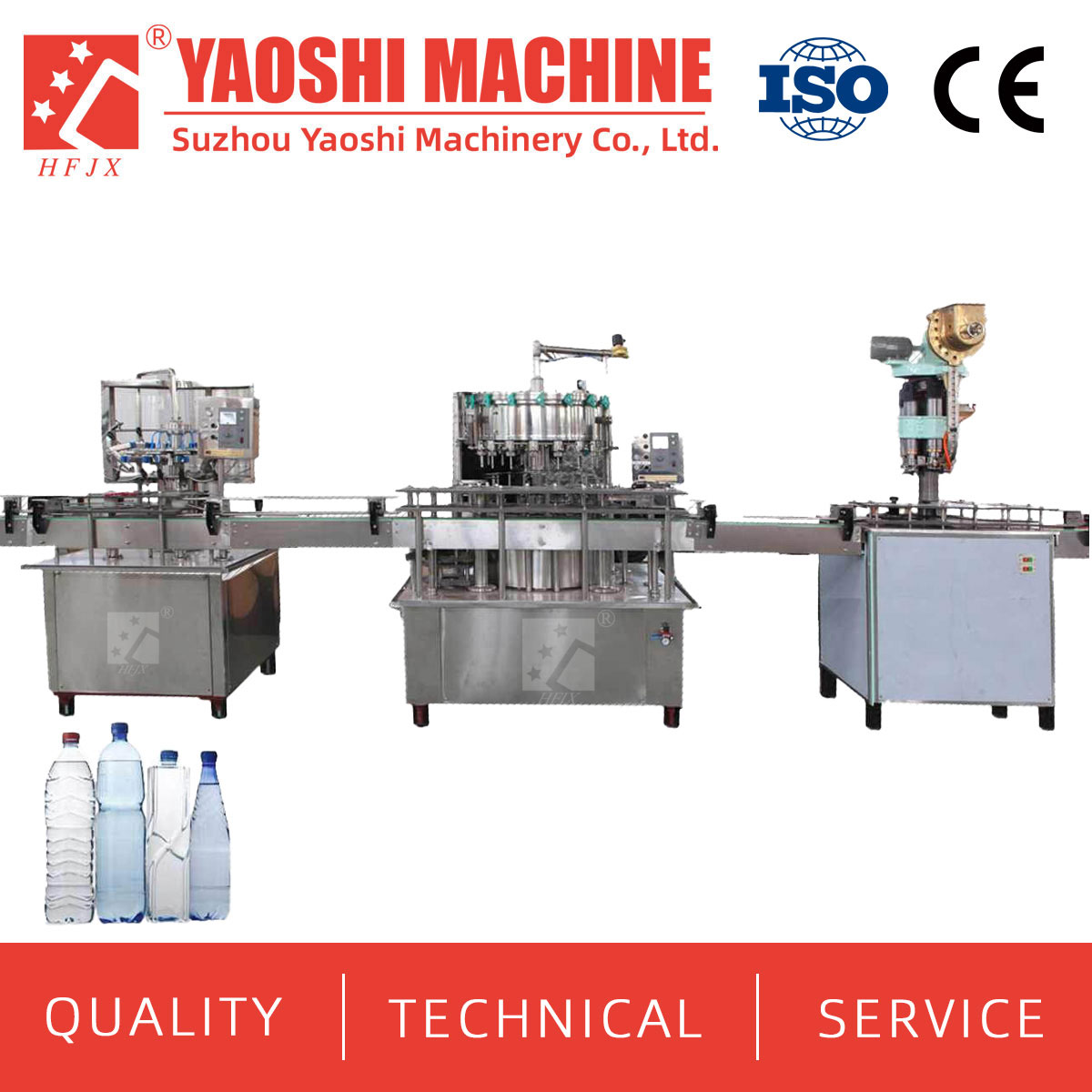
A bottled water production line can be configured for purified water, mineral water or drinking water. Its upstream section may include raw-water treatment and storage. PET bottle projects can also include a blow molding machine and bottle conveying before the filling section.
For small PET bottles, a 3-in-1 machine can combine bottle rinsing, water filling and capping. Filled bottles then pass to labeling, coding and secondary packaging. The configuration depends on the water source, bottle volume, neck finish, cap and target output. Large-barrel projects use a different washing, filling and capping arrangement and should be planned separately from small-bottle lines.

A juice production line requires more process information than a basic water line. Formula, pulp content, viscosity, filling temperature, bottle material and the required shelf-life process affect the equipment arrangement. Product preparation may involve mixing, filtration, heating or other treatment before filling.
Hot filling is used for suitable juice and tea products, while ultra-clean or aseptic processing may be considered when the product and packaging requirements call for it. These methods are not interchangeable. The selected process determines the filling section and may also affect bottle handling, inversion, cooling, cleaning and downstream packaging. Buyers should confirm the product process before selecting the filler.

A carbonated beverage production line must control product temperature, pressure and foaming during filling. Yaos Machinery's CSD filling equipment uses an isobaric filling principle for carbonated soft drinks, soda and sparkling water. Equalized pressure between the product tank and container helps limit carbonation loss during the filling stage.
CSD projects may use PET bottles, glass bottles or cans, subject to the selected machine and package. Each container requires a suitable feeding, filling and closing method. A PET bottle may use a screw cap, a glass bottle may require another closure, and a can needs a compatible lid and seaming section. The package must be defined before the line layout is finalized.

Beer projects are divided first by package format. A glass-bottle beer production line and a canning line use different container handling and closing equipment. The production plan must identify the bottle or can dimensions, closure, target output and the point where the filling section connects with the upstream beer process.
For bottled beer, the line may connect container rinsing, filling, capping, conveying, labeling and packing. For canned beer, filling must be matched with the selected can and lid before the product moves to downstream packaging. Product conditions and the required treatment process must be confirmed for each beer project rather than assumed from the package alone.

Can filling is also used for carbonated drinks and other suitable beverages. The term “can” is not enough to configure the equipment. Can material, diameter, height, opening and lid specification affect feeding, filling, seaming and conveying. The beverage itself determines the filling conditions and any required upstream processing.
Yaos Machinery supplies can filling and sealing equipment for applicable beverage projects. A complete can line can connect product preparation, can handling, filling, sealing, coding and secondary packaging. Final scope depends on the beverage and confirmed container drawings or samples.
| Production Line | Main Process Focus | Common Package | Key Configuration Basis |
|---|---|---|---|
| Bottled water | Water treatment and sanitary filling | PET or glass bottles | Water source, bottle, cap and output |
| Juice and tea | Product preparation and filling temperature | PET or glass bottles | Formula, pulp, process and package |
| Carbonated drinks | Carbonation, pressure and foaming control | PET, glass or cans | Product condition, container and closure |
| Beer | Product handling, filling and closing | Glass bottles or cans | Package, closure, output and line interface |
A beverage filling machine cannot set the output of the whole factory by itself. Water treatment or beverage processing must supply product at the required condition. Bottle blowing or container feeding must keep the filling section supplied. Conveyors need to transfer containers without creating repeated stops, while labeling and packing equipment must handle the same bottle or can at a compatible speed.
Yaos Machinery's product range covers filling machines together with water treatment, beverage processing, PET blow molding, conveyor, labeling, packaging and palletizing equipment. This allows a project to be discussed as a connected beverage bottling line or as selected equipment for an existing factory. The final configuration should be based on the actual production process and the machines already available on site.
Visitors planning water, juice, tea, carbonated drink, beer or canned beverage production can meet Yaos Machinery at Vietfood & Beverage – Propack Vietnam 2026. To make the discussion specific, prepare a short summary of the beverage, container, target output, packaging method and available factory space.
Visit Booth B2 X24 at SECC in Ho Chi Minh City from August 6 to 8, 2026. For product and project enquiries, email tony@yaos.ltd or call or message +86 18915689808.


+86-512-58530618

Wukesong Road, Sanxing Town, Zhangjiagang City, Jiangsu Province, China