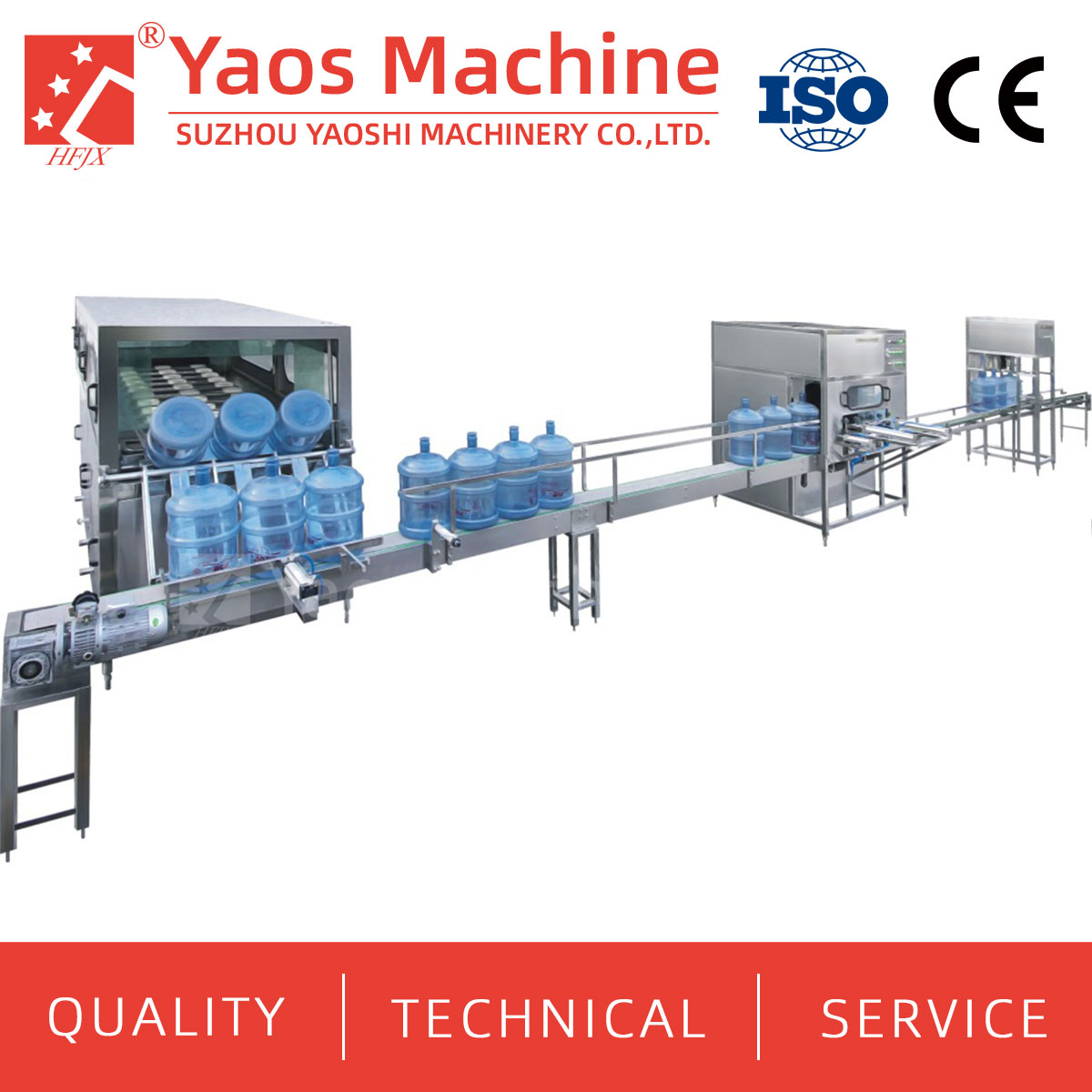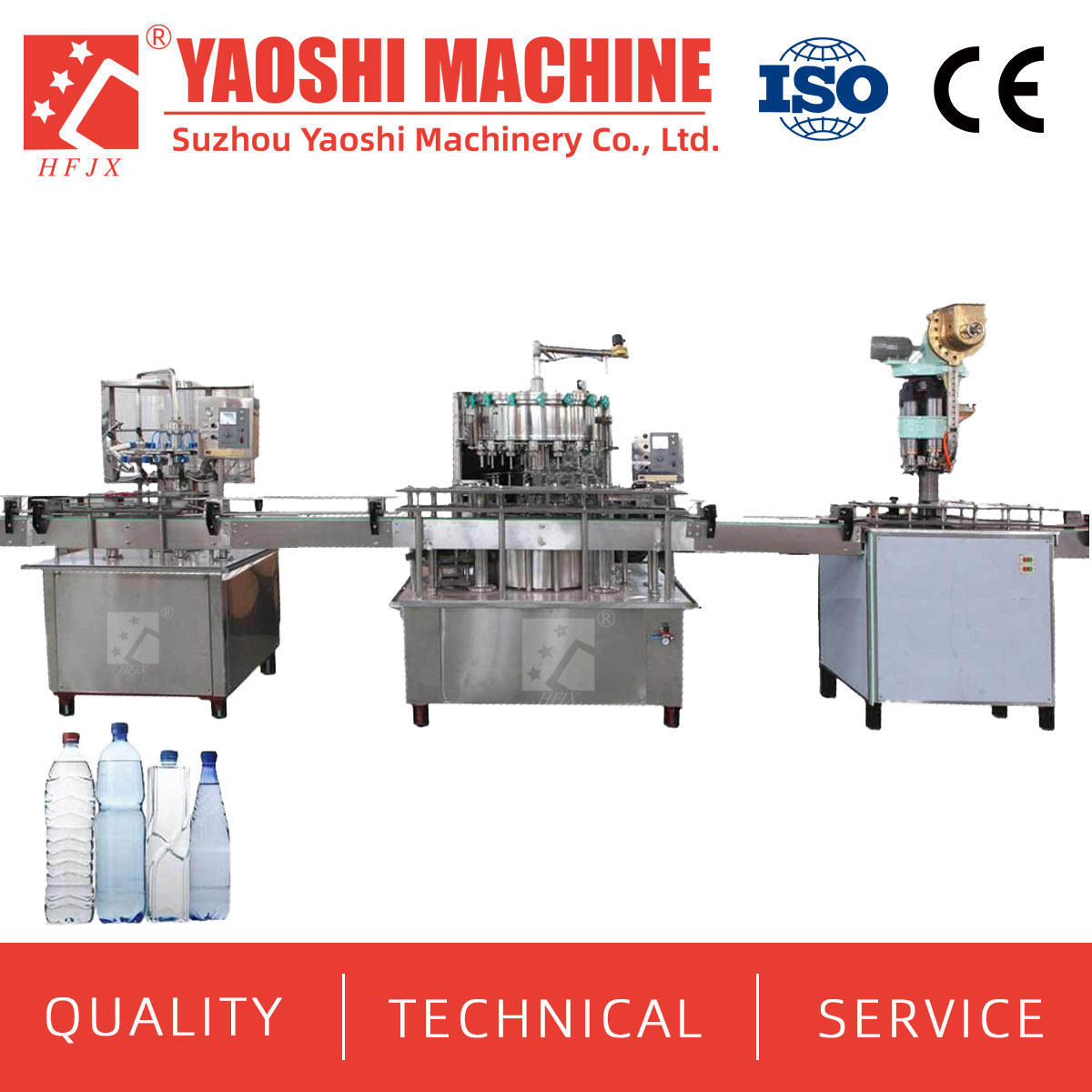
A water filling machine operates under continuous mechanical stress, moisture exposure, and product residue buildup. Without a structured maintenance program, fill accuracy drifts, seal life shortens, and unplanned stops increase. This guide outlines the essential maintenance procedures organized by machine subsystem.

The morning check takes 15 minutes and catches most developing faults before they affect production.
Walk around the filler and listen for unusual bearing noise from the drive train.
Check the product tank level sensor and verify it responds to hand movement.
Inspect all visible hose connections for drips or wet spots indicating loose clamps.
Confirm the conveyor lubricant dispenser has sufficient soap solution for the shift.
Wipe the no-bottle-no-fill sensor lenses with a clean cloth to remove overnight condensation.
Run the filler at jog speed for three complete rotations and observe valve opening and closing.
Filling valves are the highest-wear components on any water line. Weekly inspection prevents fill volume drift and drip leakage.
Remove and inspect three valve assemblies on a rotating schedule. Each valve should be inspected at least once every four weeks.
Check the rubber seat for compression set. A seat that remains indented after removal must be replaced.
Measure the valve spring free length. Springs that have lost more than 10 percent of their original length reduce closing speed.
Clean the vent tube orifice with a 1.5 mm wire. Scale buildup inside the tube changes the venting rate and causes incomplete fills.
Reassemble each valve with a thin film of food-grade silicone grease on the O-ring.
Record the inspection results in the maintenance log including seat condition and spring length.
The conveyor system transports bottles through the filler and capper. Wear in this subsystem causes jams and bottle damage.
Measure chain stretch on the main conveyor section. Replace any section where pin-to-pin distance has increased by more than 3 percent.
Inspect guide rail wear strips for grooving. Grooves deeper than 1.5 mm create friction points that stop bottles.
Lubricate all drive sprocket bearings with NLGI grade 2 grease. Apply two pumps per bearing fitting.
Check starwheel pocket inserts for wear. Worn pockets allow bottle wobble at the transfer point.
Verify that magnetic or vacuum transfer aids maintain at least 80 percent of their rated holding force.
Tension all conveyor belts to manufacturer specification. Belts running loose cause speed variation at the filler infeed.
Capping defects are a leading cause of customer complaints. A quarterly torque audit identifies problems before they reach the warehouse.
Select five capped bottles from each capping head at random. Measure removal torque using a calibrated torque meter.
Record the average and minimum torque values per head. Any head averaging below 1.5 Nm requires adjustment.
Inspect capping chuck rubber for glazing. Glazed rubber loses grip and causes inconsistent application.
Clean the cap chute and sorter bowl. Cap dust accumulates and causes misfeeds over time.
Check the magnetic clutch slip torque on each spindle. Clutch slip torque should be within 0.2 Nm of the set value.
Adjust capping head height if the measured bottle height varies by more than 1 mm from the reference.
An annual shutdown allows in-depth inspection and replacement of components that degrade over multiple production cycles.

Drain and clean the product tank. Remove all scale deposits using a citric acid solution at 2 percent concentration.
Replace all valve diaphragms and O-rings regardless of visual condition. Rubber hardens over time and loses sealing force.
Strip and repack all rotary bearings in the filler drive train. Use waterproof grease rated for food contact areas.
Recalibrate all fill height sensor positions using a master bottle with known fill volume.
Pressure test the product supply line at 1.5 times operating pressure. Repair any leaks found during the test.
Update the machine level and re-anchor any feet that have shifted during the year.
Having the right spare parts on hand determines whether a repair takes 30 minutes or two days.
Component | Recommended Stock | Typical Lead Time |
|---|---|---|
Valve diaphragm kit | 1 per 10 valves | 2–4 weeks |
Valve spring | 1 per 20 valves | 4–6 weeks |
Fill height probe | 2 units | 1–2 weeks |
Capping chuck rubber | 1 per head | 2–3 weeks |
Conveyor wear strip | 10 meters | 1–2 weeks |
Starwheel pocket insert | 1 set | 3–5 weeks |
Sensor (proximity type) | 2 units | 1 week |
Main drive belt | 1 unit | 4–8 weeks |
How does water quality affect maintenance frequency?
Water with total dissolved solids above 200 ppm accelerates scale formation inside valves and tanks. Facilities using hard water should reduce the valve inspection interval to biweekly and install a water softener before the filler feed line. Reverse osmosis pretreatment reduces scaling and extends seal life by 30 to 50 percent.
What is the single most cost-effective preventive maintenance action?
Regular replacement of valve diaphragms on schedule is the highest-ROI action. A failed diaphragm causes underfill and drip leakage, which leads to conveyor slip and bottle toppling. The replacement cost of one diaphragm kit is negligible compared to a 30-minute production stop.
Can maintenance intervals be extended on low-speed lines?
Lines running below 150 bottles per hour can safely extend intervals by 50 percent because wear rates scale with cycle count. However, calendar-based limits for rubber components still apply. Diaphragms should not exceed 24 months in service regardless of cycle count.
How should maintenance records be organized for audit purposes?
Each machine subsystem should have a dedicated log sheet with columns for date, action taken, parts replaced, and technician name. Digital logs with timestamped entries are preferred for ISO 9001 compliance. Photographs of worn parts before replacement add credibility during customer audits.
Is operator training effective in reducing maintenance demand?
Operators who can identify early warning signs reduce emergency maintenance by 40 to 60 percent. A two-hour monthly training session covering basic inspection techniques pays for itself within three months through reduced callouts and longer component life.
A disciplined maintenance program organized by daily, weekly, monthly, quarterly, and annual cycles keeps water filling machines operating at rated capacity. The key is consistency in executing each check and accurate record keeping to spot trends before they become failures.
For production managers seeking filling equipment designed for maintainability, Suzhou YaoshiMachinery Co., Ltd., under its brand hfjx machine, builds CE-certified fillers with tool-less valve access and color-coded service points. The company's 18,000 m² ISO 9001 certified factory produces machines with documented maintenance procedures and readily available spare parts kits.


+86-512-58530618

Wukesong Road, Sanxing Town, Zhangjiagang City, Jiangsu Province, China